Project stories, not a gallery
Scope, constraints and decisions, so a buyer understands what they are paying for.
A homeowner comparing three builders is looking for a reason to trust one of them. Structure, photography and clarity do more of that job than any headline.
Great projects, presented badly, read as ordinary.
That is the gap a competitor with worse work and a better website walks straight through. The fix is rarely a redesign for its own sake; it is showing the scope of what you build.
A site built to carry six-figure work, easy for your office to update, and measured on the enquiries it produces.
Scope, constraints and decisions, so a buyer understands what they are paying for.
Direction on what to shoot and how to present it, because most builders' best asset is under-used.
Current tooling with a CMS your office can edit. No licences held hostage, no platform you cannot leave.
One obvious next step on every page, sized for someone who is still deciding.
Where most people meet you first, usually standing in their own backyard.
Hosting, security and updates handled after launch, so the site still works like day one a year later.
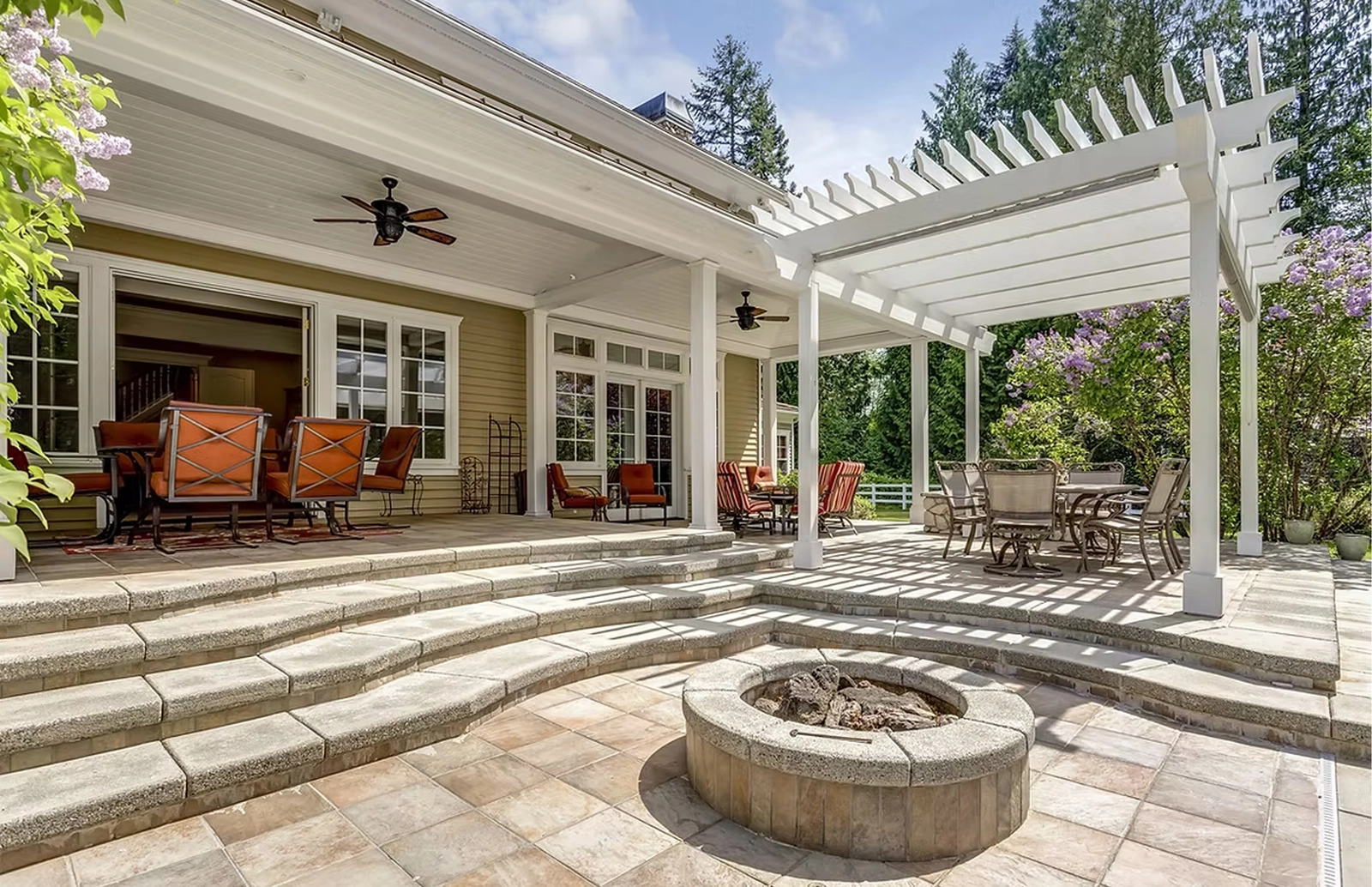
A six-figure project cannot be sold at thumbnail size. Full-width imagery, properly compressed, with the scale and finish visible. Most builder sites lose here first: the work is excellent and the presentation makes it look like everyone else's.
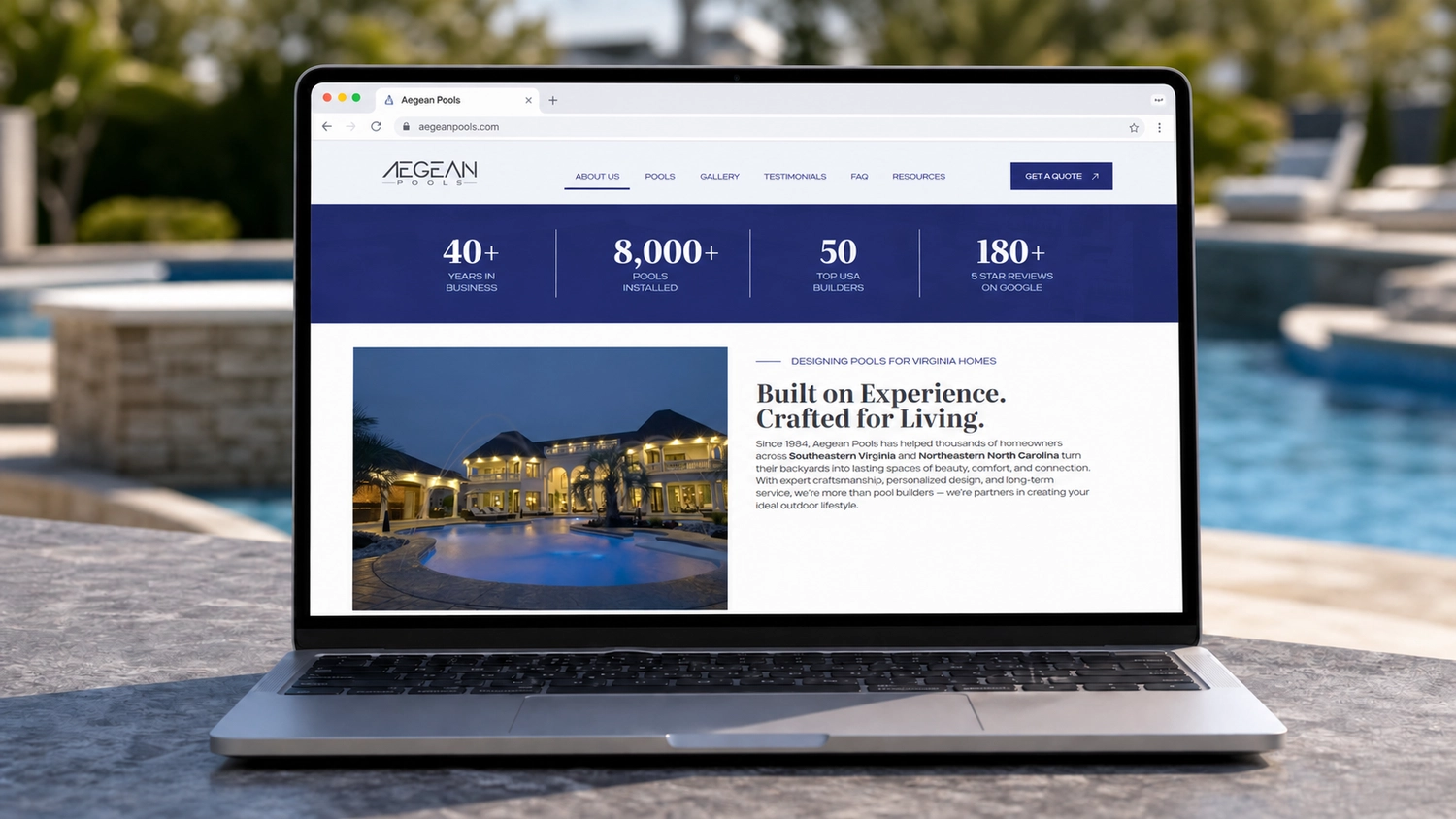
A gallery shows that you built something. A project page shows the site constraints, the decisions and the result, which is what a homeowner comparing three firms is actually reading for. It also gives search engines something to index beyond an image file.

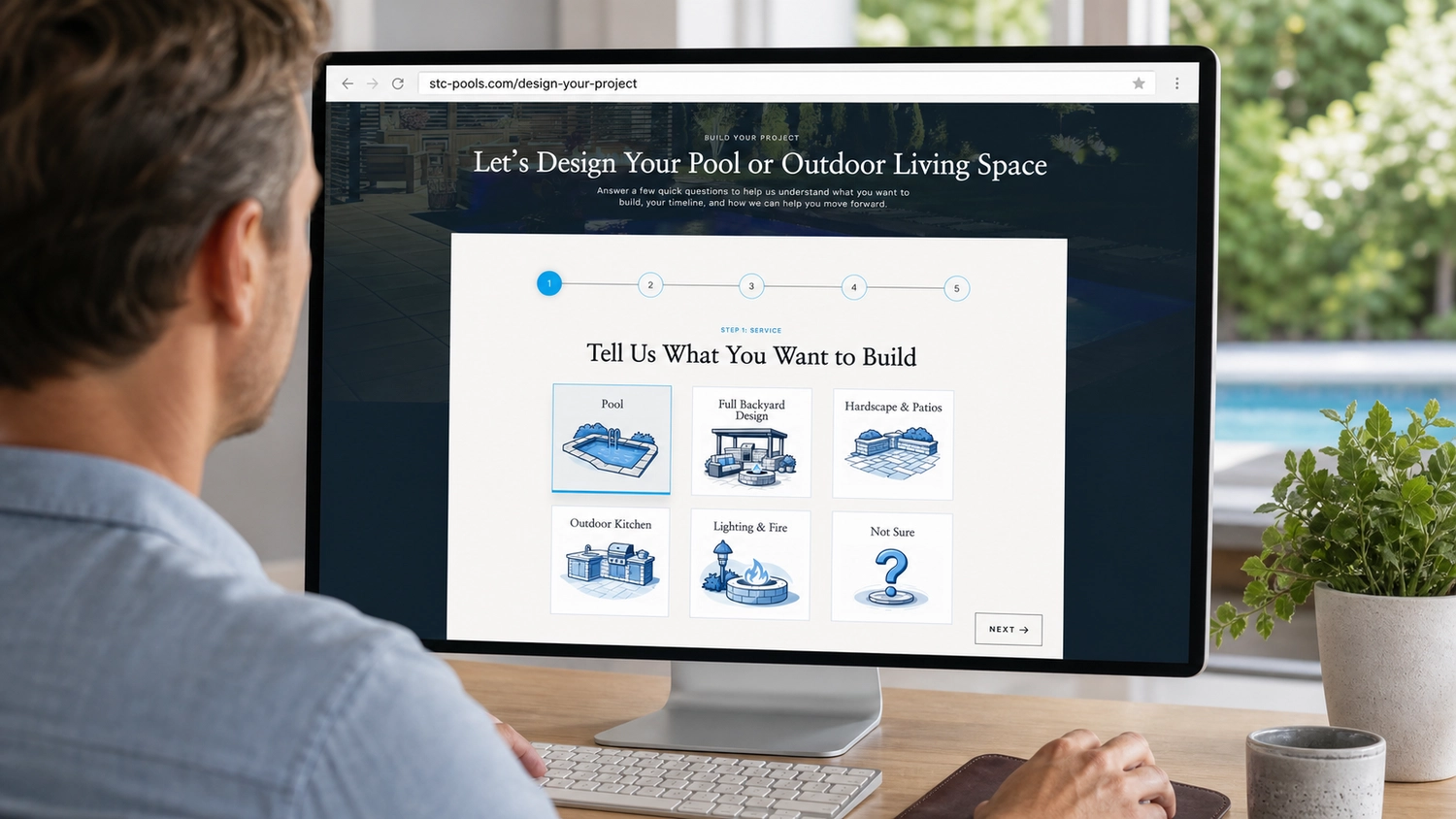
Clear paths to an enquiry, forms that ask for what your team needs to qualify, and no dead ends. The design work and the conversion work are the same work, done once.
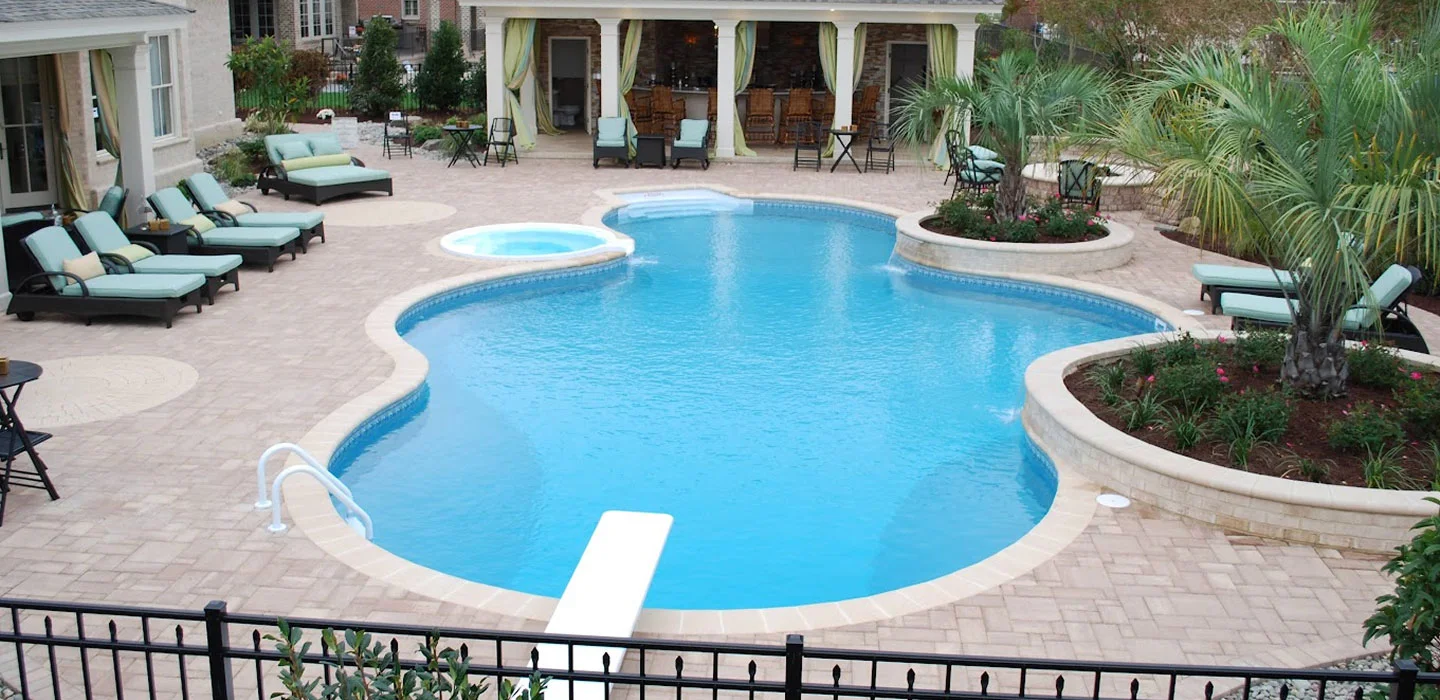
Most of your traffic is mobile, often on a weak signal while someone is standing where the pool will go. Heavy photography is the usual culprit. We optimise for that reality rather than for how the site feels on office fibre.
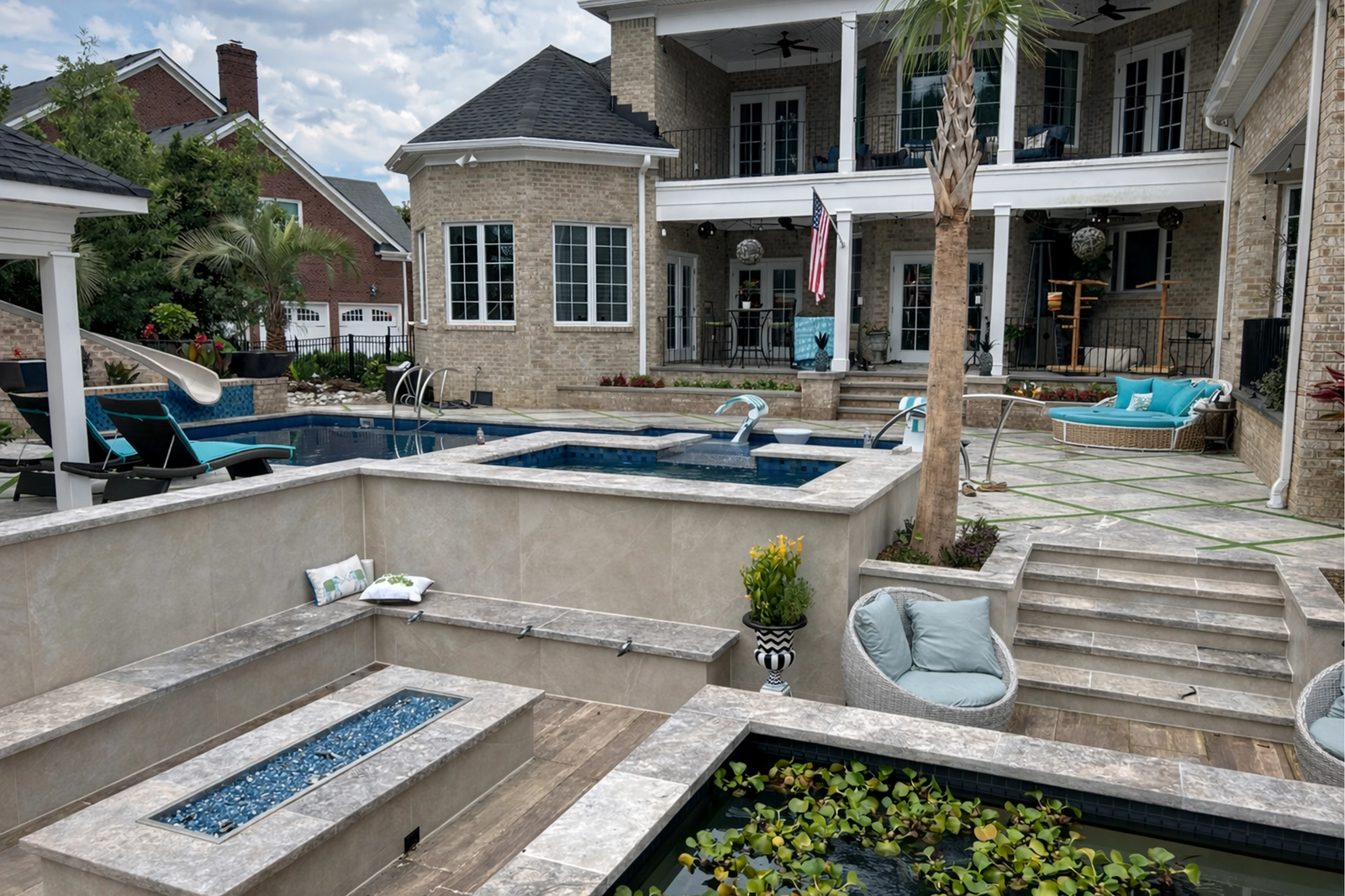
Adding a finished project should take minutes and no developer. We build on a content system your office manager can run, so the site keeps growing after launch instead of freezing on the day it goes live.
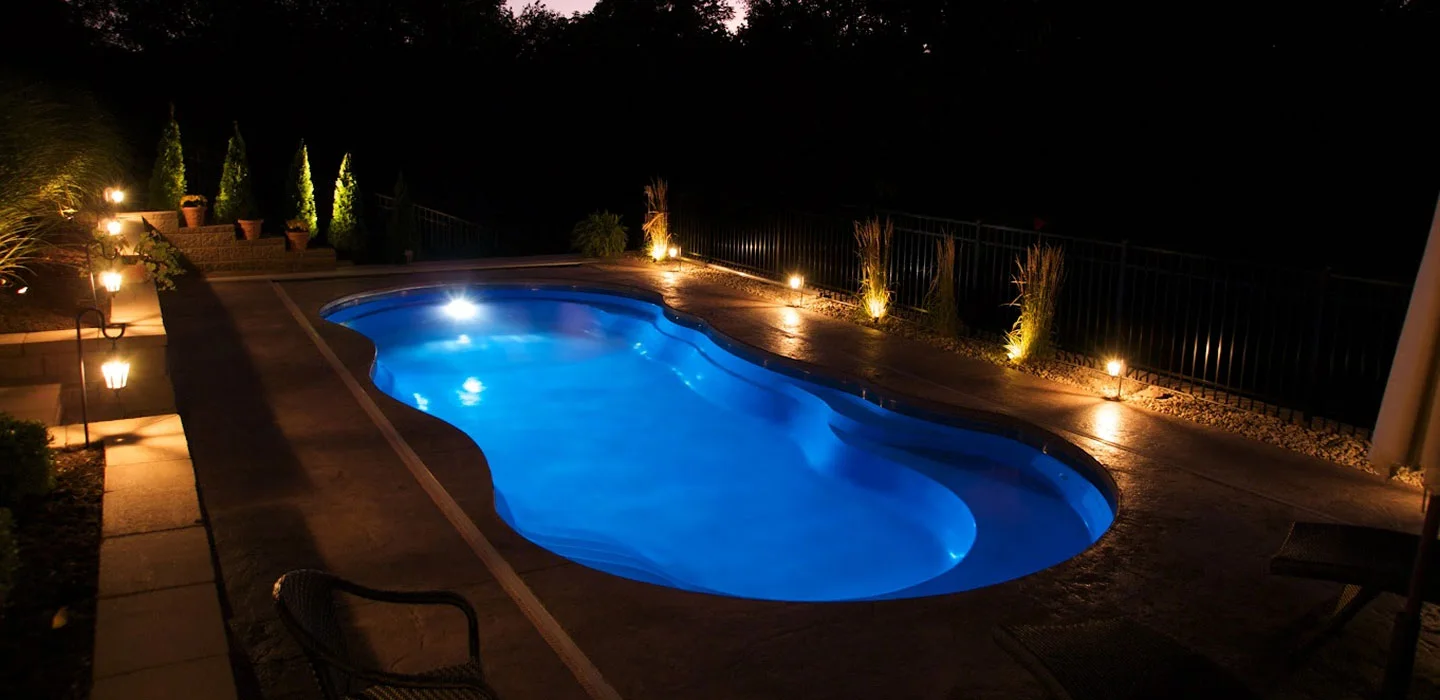
Hosting, updates and monitoring, because a site that breaks quietly in July costs you the season. Launch is the start of the engagement, not the end of it.
Six stages from what you have now to a site that earns its keep.
Why the site exists, who it must convince, and what an enquiry is worth, agreed before anything is designed.
The order a buyer needs information in, which is rarely the order a builder wants to give it.
Words and images assembled before design, so pages are built around what they actually have to say.
Built on the same system as this site: fast, accessible and straightforward to update.
Speed, devices, forms and tracking checked before the switch, so launch day is an event rather than a fire drill.
Which pages produce enquiries, and what to change next.
The work
Scope, materials and the decisions behind them. Buyers comparing three builders are looking for evidence of judgement, not a slideshow.

Photography and structure that carry the scale of the build, so a six-figure project does not read like a gallery entry.
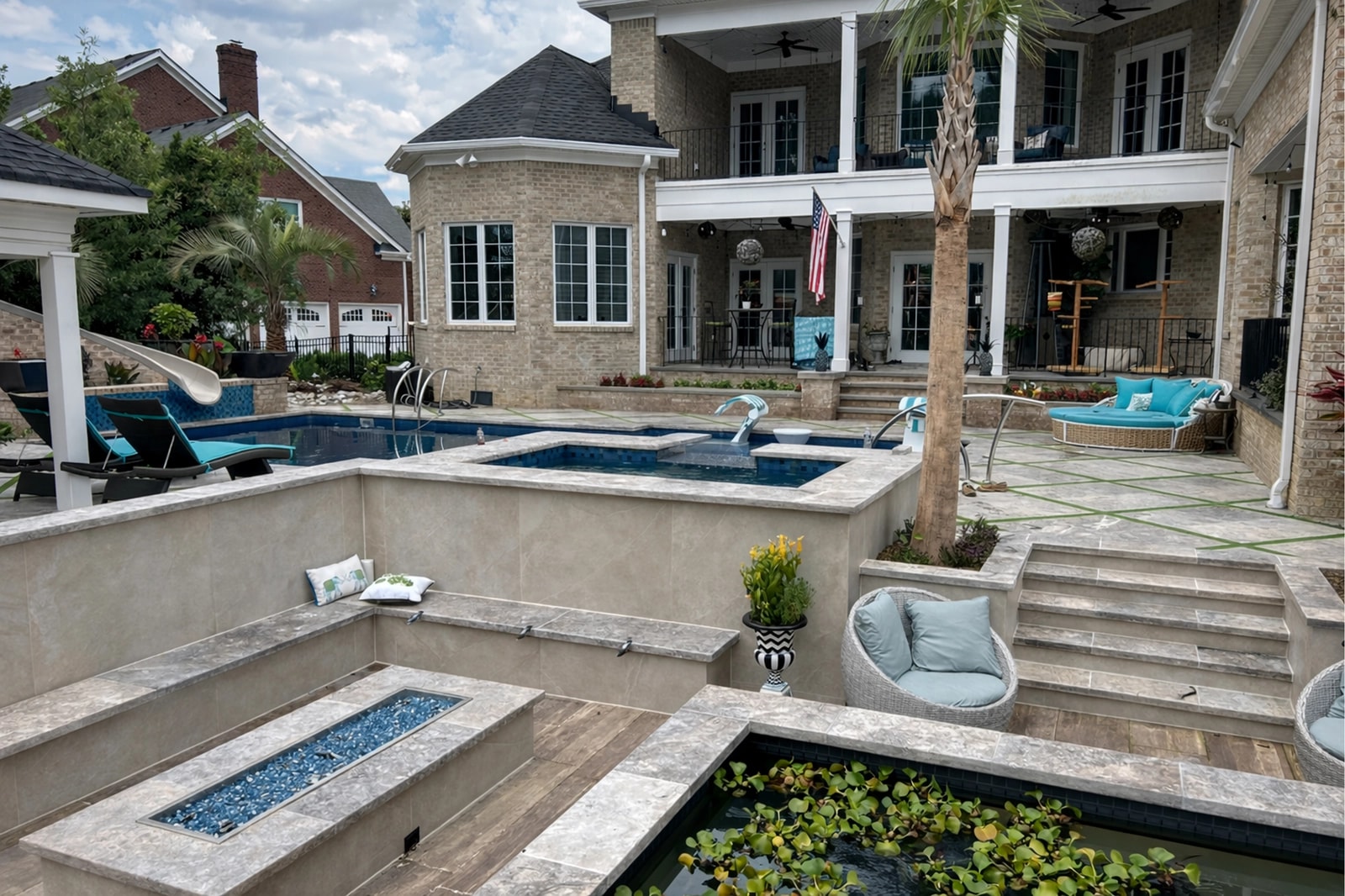
What happens in the hours after an enquiry arrives, which decides more deals than any headline on the homepage.
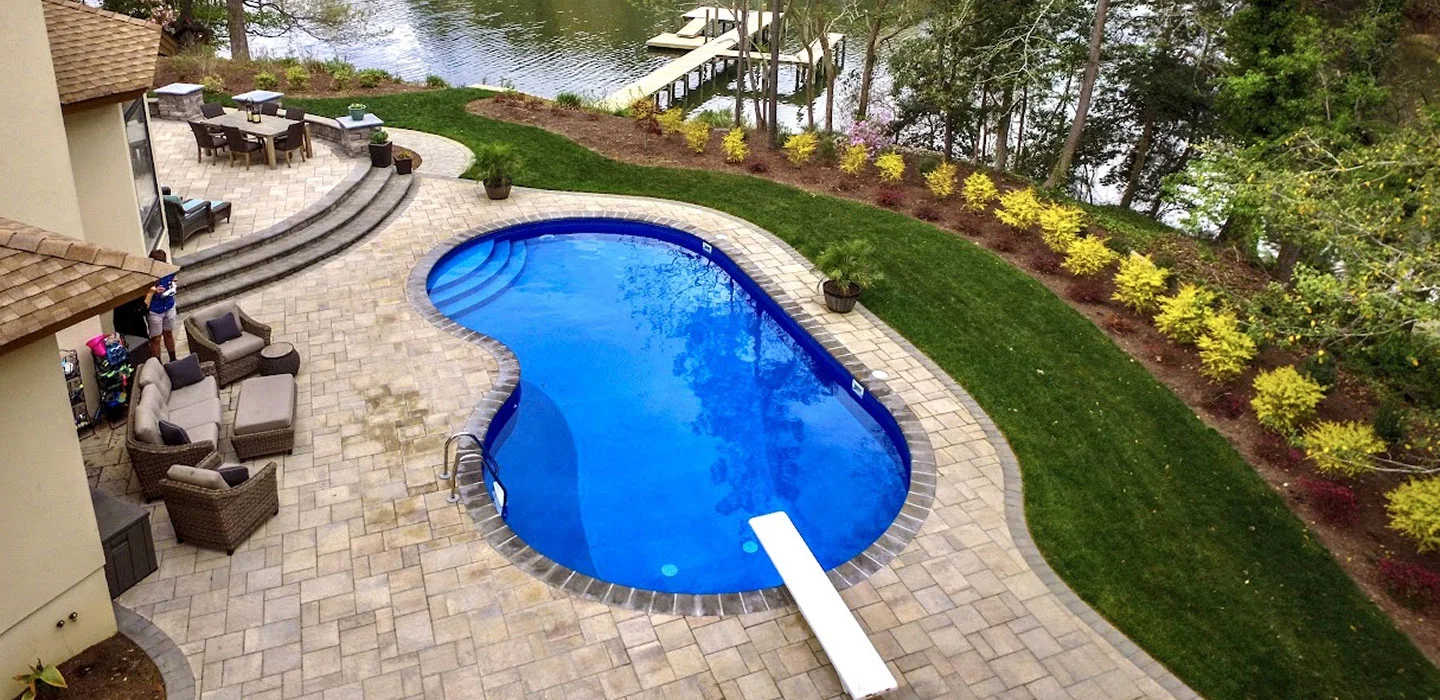
What changes when the people building the site understand what you sell.
A pool is chosen on trust and evidence of judgement, not on a feature list. The structure of the site follows how that decision actually gets made, which is why the project pages carry more weight than the homepage.
We treat the imagery as the main asset rather than decoration, and we will tell you when the photography is the thing holding the site back. Often it is, and no amount of design fixes it.
No proprietary platform, no hostage situation. The site is yours, the content system is one your team can operate, and leaving us does not mean rebuilding.
Often not. If the foundations are sound, the fastest wins are usually structure, photography and the path to an enquiry. We tell you which one you are looking at before quoting anything.
You do, including the domain, the content and the code. That is not a differentiator, it is how it should be, but it is worth asking every agency you talk to.
Yes. Copy, images and project pages are editable without a developer. Anything structural is where you would call us.
We stay on. Hosting, updates and small changes are part of the arrangement, because a site nobody maintains is slow within a year. Bigger changes get scoped and quoted like any other work.
Also part of the system
A strategy call looks at what you have now and tells you what to fix first, in what order.