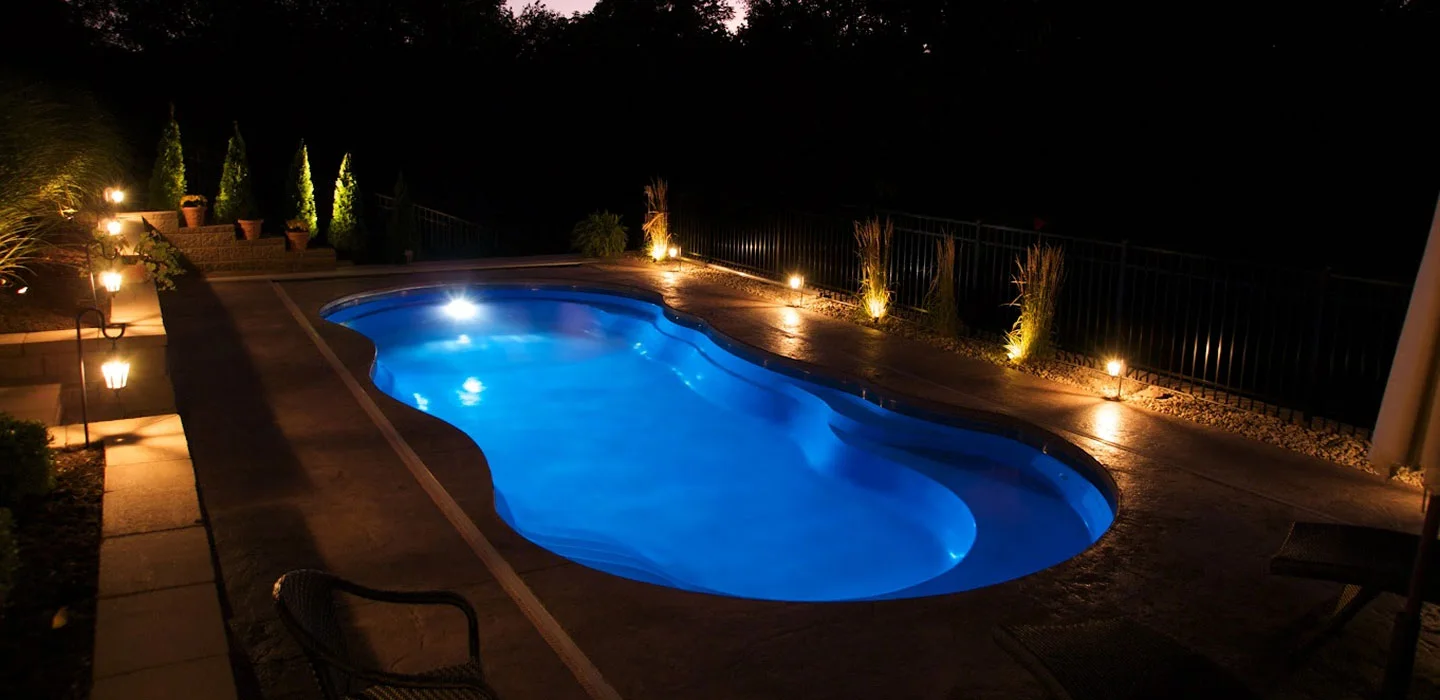
Creative from real projects
Your builds, presented properly. Stock imagery in this category fools nobody.
Search finds people already planning. Meta reaches the ones who have been thinking about it for two summers and have not started looking yet.
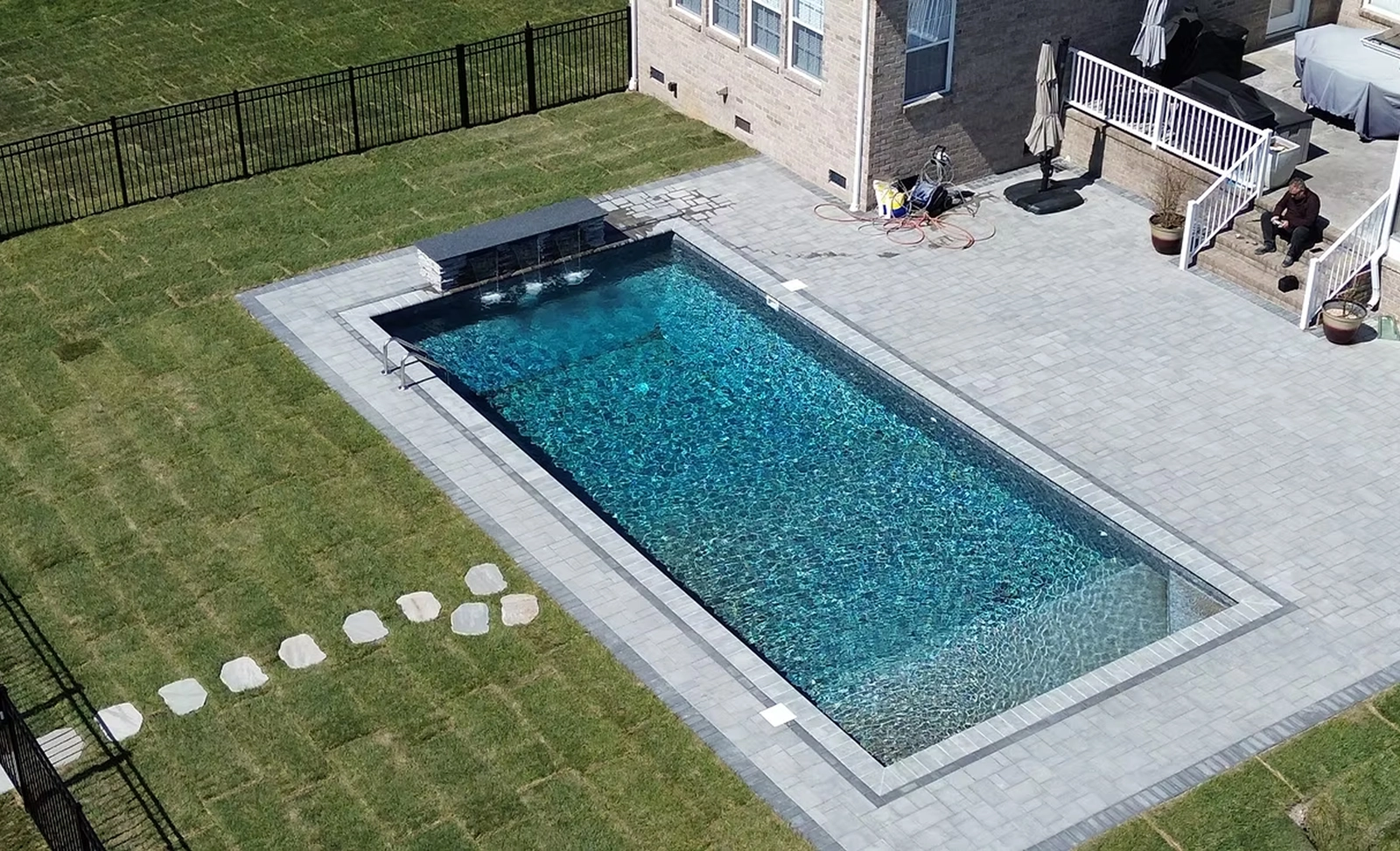
Your best asset is the work. Most builders barely show it.
Backyard transformations are inherently visual, which makes this the one channel where a builder's portfolio is a genuine advantage. Most of that advantage is sitting unused in a camera roll.
Creative built from your projects, aimed at people who are not searching yet.
Your builds, presented properly. Stock imagery in this category fools nobody.
Homeowners with the property and the budget to match what you build.
Facebook and Instagram carry the weight. YouTube or TikTok only when your market and your creative earn it, not because a channel is fashionable.
Pixel and Conversions API configured before a dollar is spent, so the data the campaign optimises on is real.
People researching a six-figure project take months. The follow-up should respect that.
Attribution on Meta is genuinely harder. We are honest about what it can and cannot tell you.
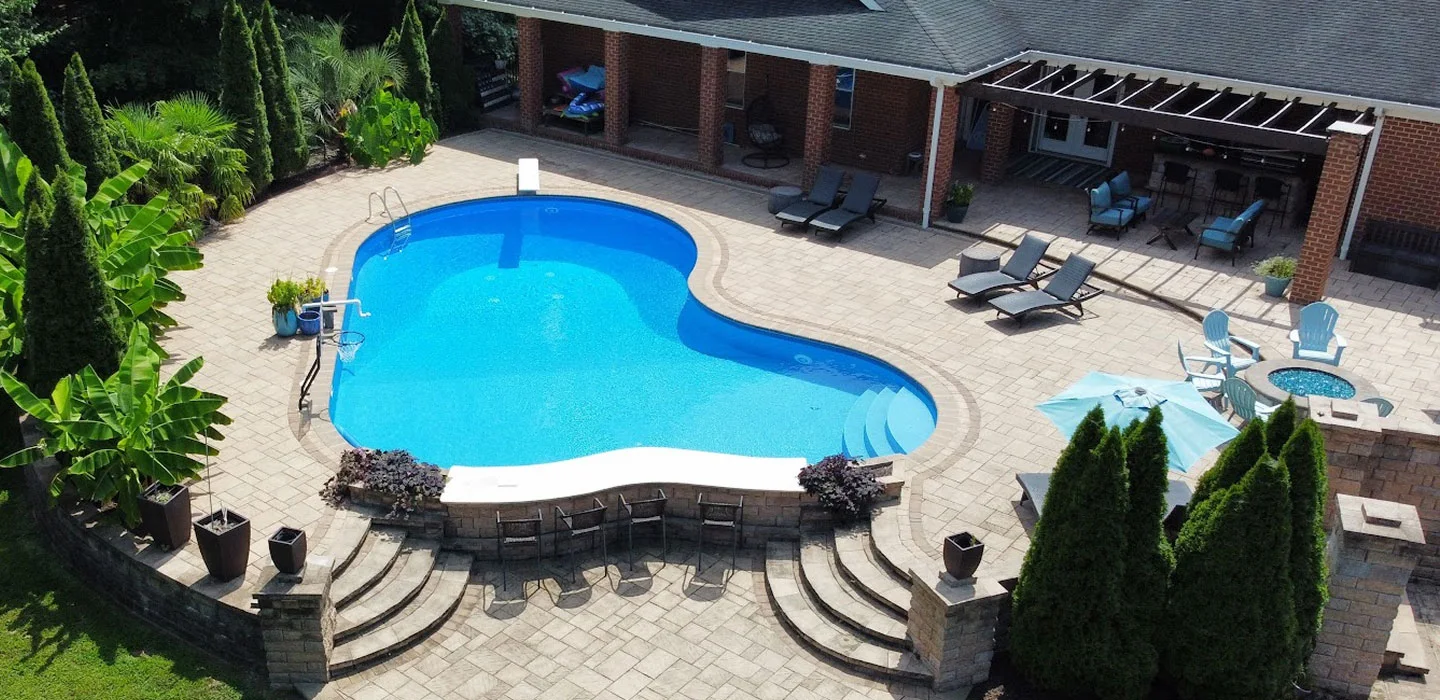
Search reaches people already looking. Paid social reaches the homeowner who has thought about it for two summers and never typed anything. That is a different job: the work has to earn attention before it can ask for anything.
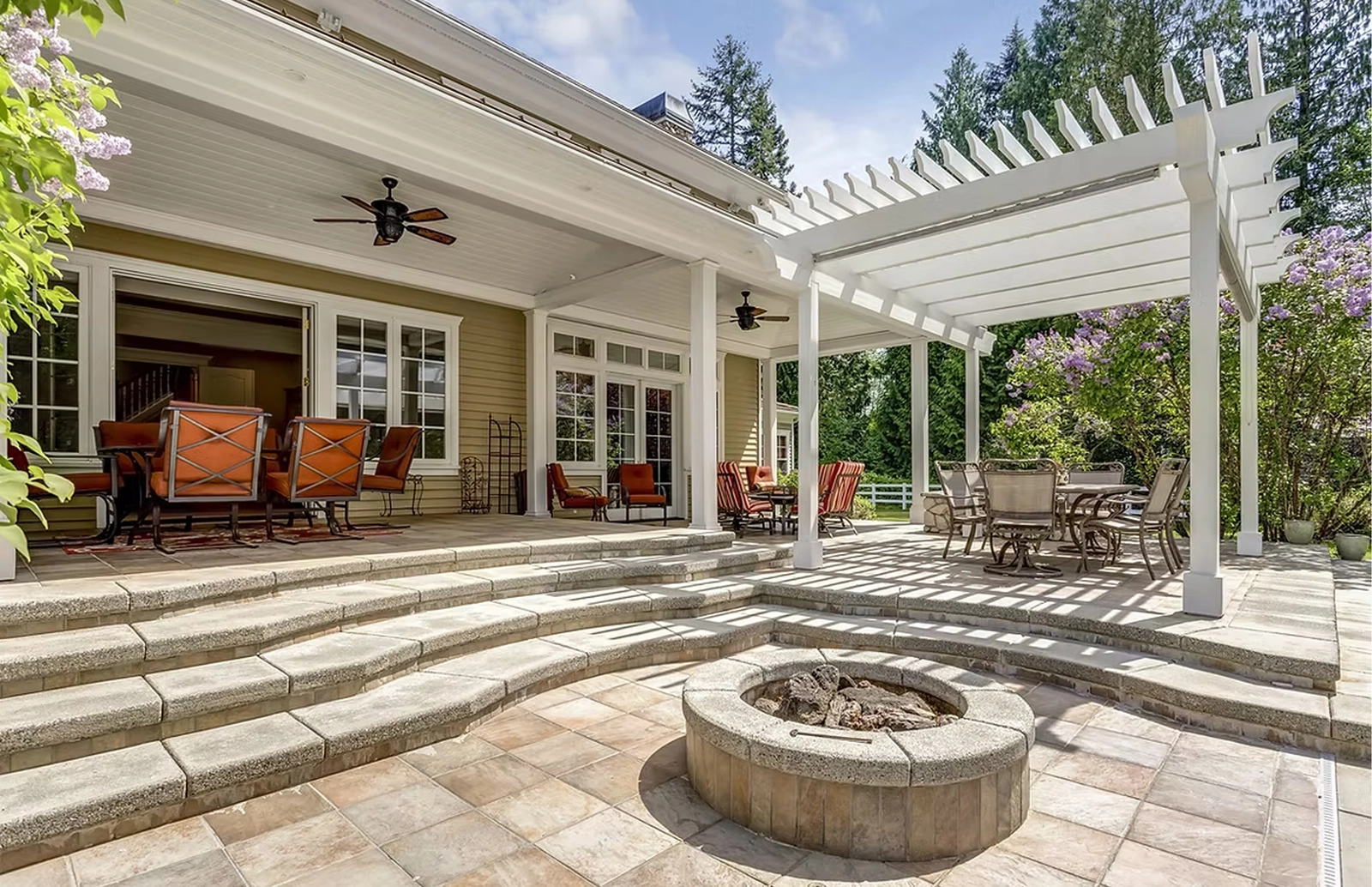
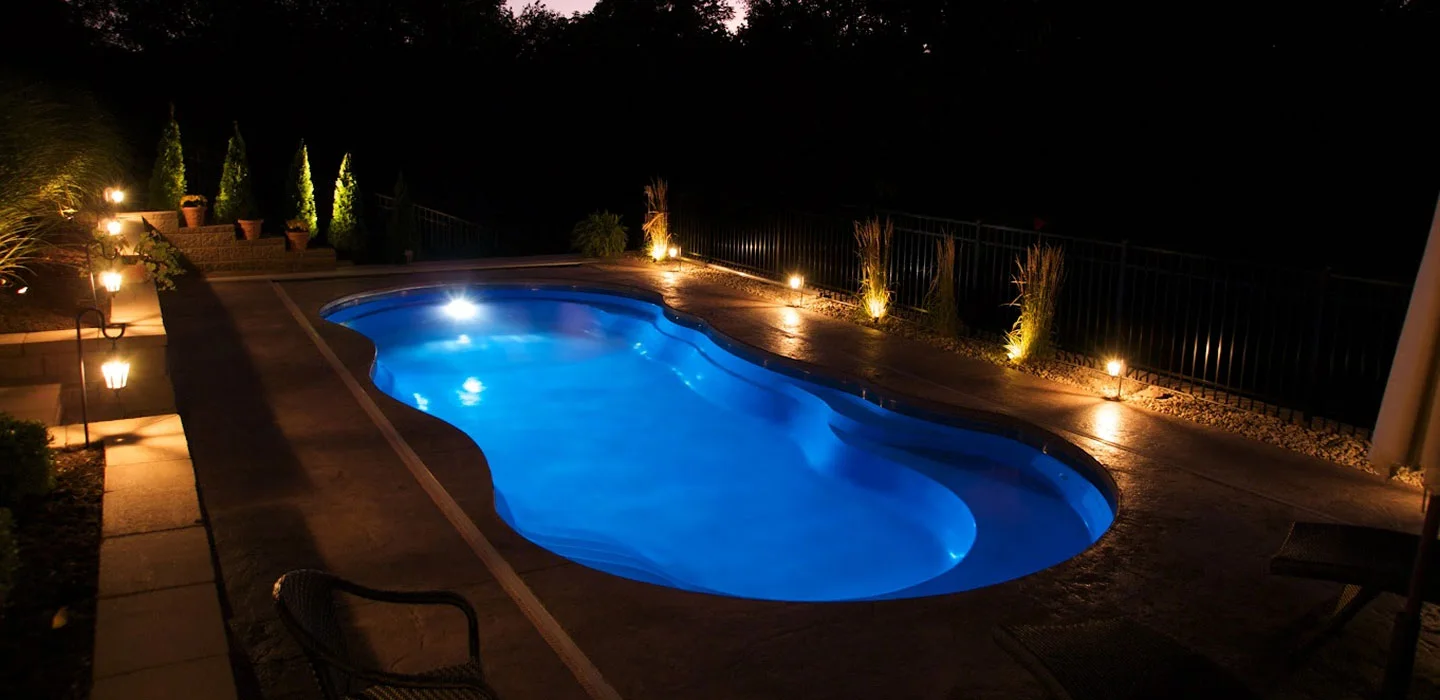
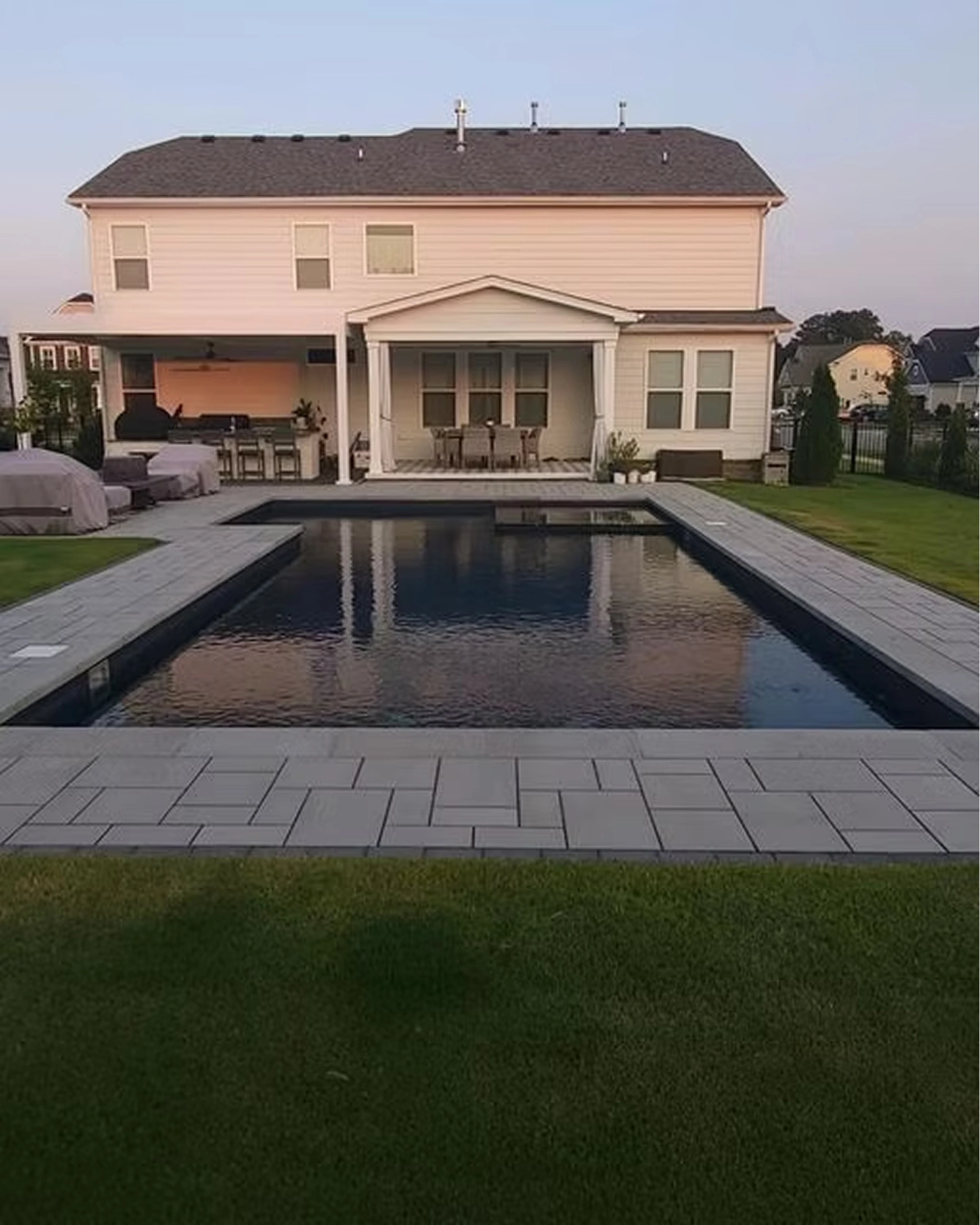
Platform targeting has narrowed, and the imagery now decides who stops scrolling. Real projects, shot properly: the build you show determines the budget of the person who responds, more reliably than any audience setting.
A cheap lead form fills the pipeline with people who will not proceed. We put the qualifying friction in deliberately, because fewer and better is the entire point at this project value.
Someone who watched a build video in autumn is worth reaching in spring. Audiences are built to sit across that gap rather than expiring in thirty days, which is where most pool social spend quietly dies.
Creative first, because on this channel it is the campaign.
What photography and video you already have, and what is missing.
Pixel, Conversions API and events wired before launch. Optimising on bad data is guessing with charts.
Project stories cut for the feed, not brochure shots with a logo.
Small, honest tests before scaling anything.
Measured on conversations started, not on impressions bought. Watched daily, not set and forgotten.
The work
Scope, materials and the decisions behind them. Buyers comparing three builders are looking for evidence of judgement, not a slideshow.
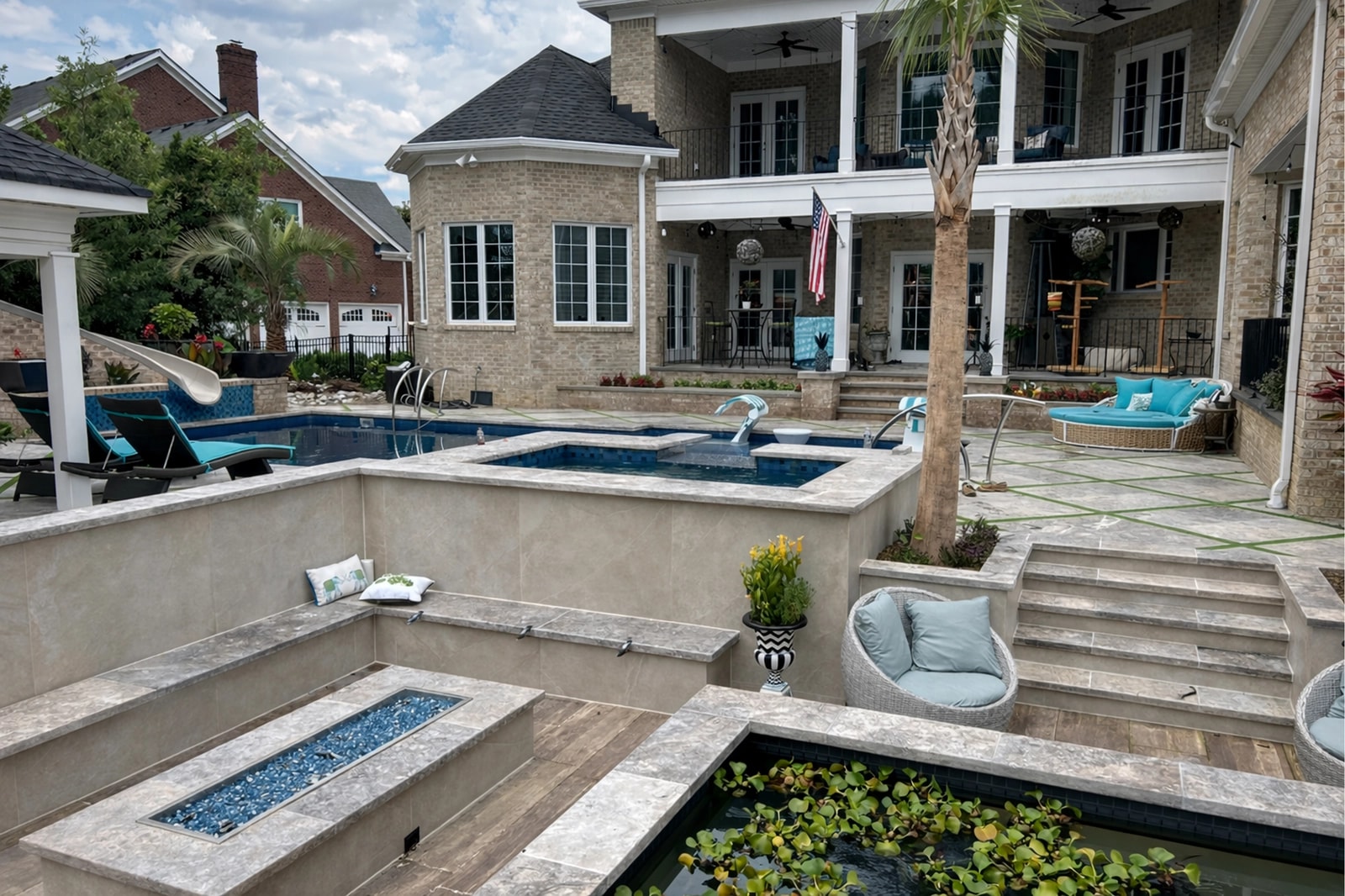
Photography and structure that carry the scale of the build, so a six-figure project does not read like a gallery entry.

What happens in the hours after an enquiry arrives, which decides more deals than any headline on the homepage.

What we do differently when the product costs as much as a house extension.
Stock imagery gets ignored in a feed already full of home renovation content. Your finished builds are the asset, and the account is built around getting them shot and used well.
We do not judge a pool campaign on a thirty day window. Reporting follows the enquiry across the months it actually takes, so a season is not abandoned three weeks in.
Social creates the demand that search then captures. Run separately they compete for credit; run together, the paid social lifts the branded searches that close cheapest.
Not directly, and anyone claiming a signed build straight from an ad is stretching it. What it does is start conversations months before someone types anything into Google.
That is the first job, and often the cheapest thing with the biggest return. We tell you what to shoot and how, and it is usually less production than people expect.
By what happens to enquiry volume and quality overall while it runs. We would rather tell you that honestly than show you a number the platform invented.
No. There are no long-term contracts on any of our ad work. The realistic ask is a few months of patience, because this channel builds demand rather than harvesting it.
Also part of the system
A strategy call looks at what you have now and tells you what to fix first, in what order.