Keyword and competitor research
The searches homeowners in your market make when a project is real, mapped against how the builders around you actually rank for them.
Ranking for the widest term brings the widest enquiries. The goal here is narrower and worth more: the searches a homeowner makes when the project is real.
More traffic is easy. Better enquiries are the job.
A page that ranks for every pool query fills the inbox with work you do not want. We aim at the searches that happen after someone has decided to build, not before.
Technical foundations, content that answers real buying questions, a local presence that holds up in the map pack, and the authority signals that decide who ranks.
The searches homeowners in your market make when a project is real, mapped against how the builders around you actually rank for them.
Profile, citations and reviews handled properly, because most high-intent local searches are decided in the map pack before your site is ever opened.
Speed, crawlability, structured data and clean page structure, so the pages you care about are the pages Google can actually read.
Pages built around the questions a homeowner asks when the budget is real, not around keyword volume.
Content worth linking to, plus deliberate outreach. External links are still how search engines decide who deserves page one.
Rankings are a means. A live dashboard tracks through to enquiry quality and signed work.
Before the technical work, the human work. A homeowner searching “inground pool cost” is months from signing; one searching “gunite pool builder” with a town attached is comparing firms this week. We separate the two and aim at the second, because ranking for volume fills a calendar with quotes that never close.
Titles, headings, internal links and the copy itself, arranged so each page answers one buying question completely. Most builder sites bury their best work in a gallery with no text around it, which leaves search engines nothing to read and buyers nothing to judge.
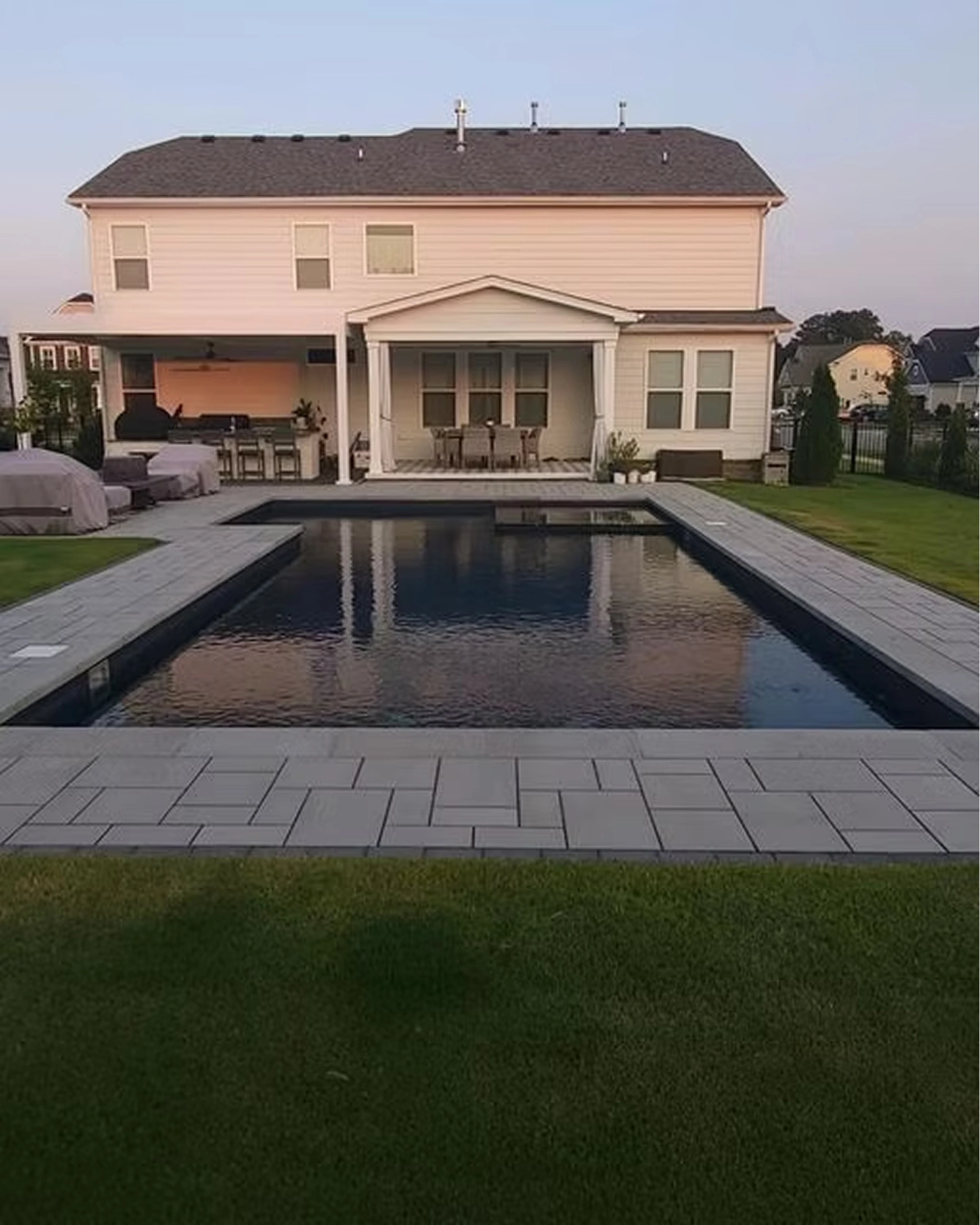
Speed, crawlability, structured data and a clean site structure. Pool sites are heavy on photography, and photography is usually what makes them slow. Fixing that is often the fastest ranking gain available, before a single word is written.
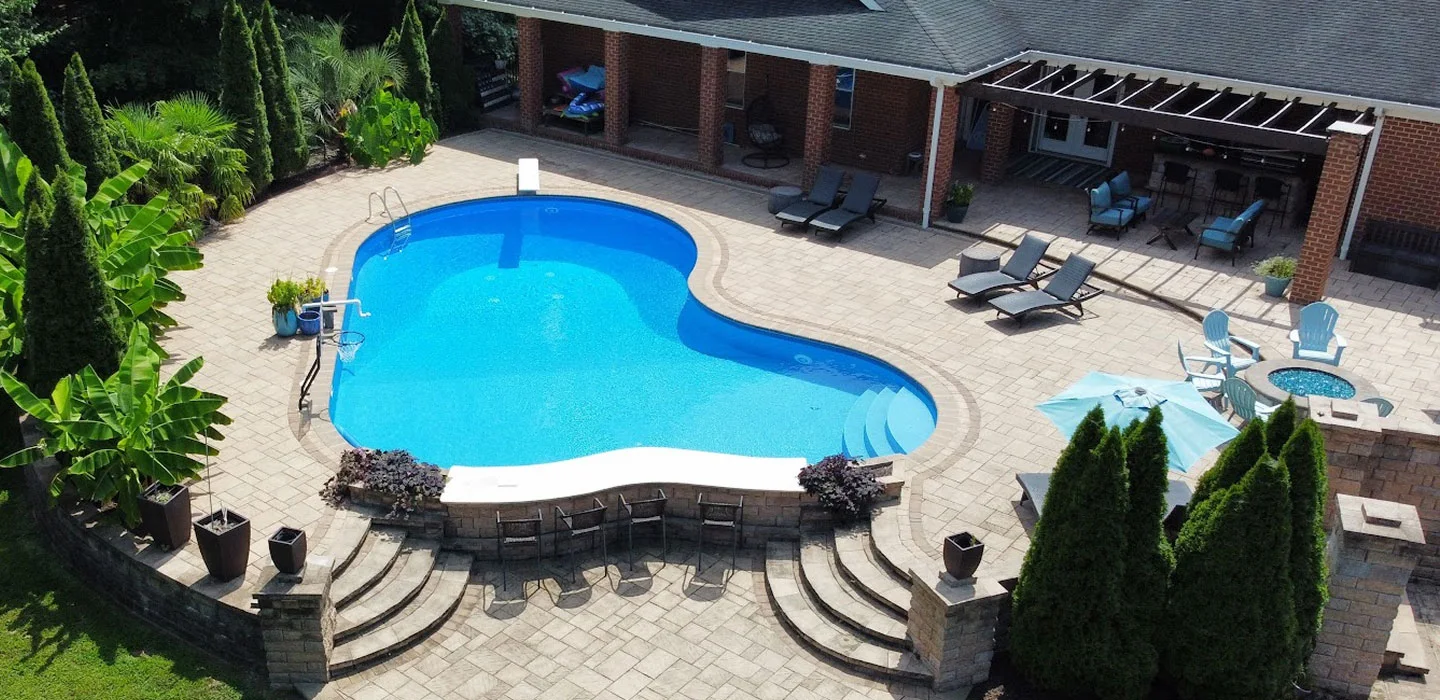
Google Business Profile, citations and reviews, handled properly. For a build that starts with someone searching their own town, the map pack is decided before your website is ever opened, so the profile is not an afterthought to the site. It is the first impression.
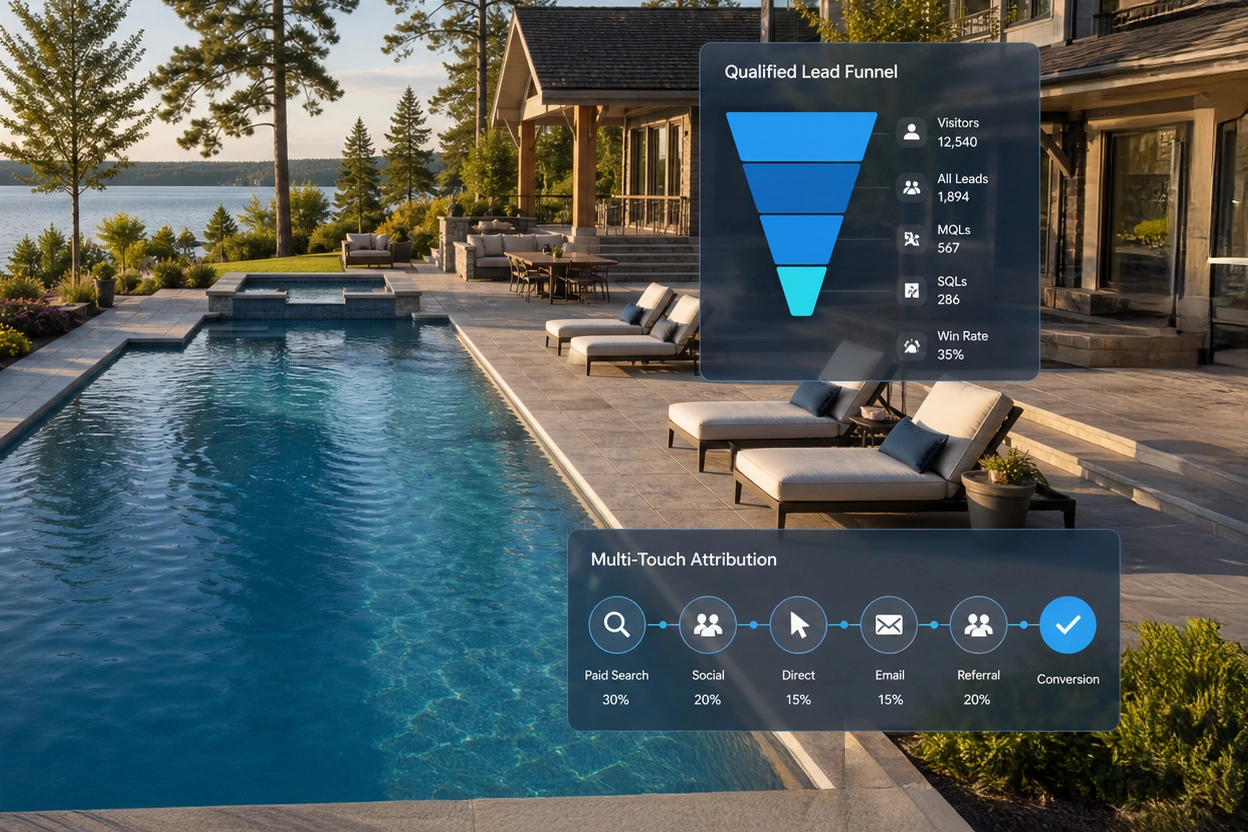
Search engines still treat links as votes. We build pages worth linking to, then earn the links deliberately: suppliers, associations, local press and the trade publications that cover the kind of work you do.

Rankings are a means, not the result. Reporting runs through to enquiry quality and signed contracts, so the question every month is whether better projects arrived, not whether a keyword moved two places.
Six stages, in this order, because each one depends on the one before it.
What success looks like for you: markets, project types and the enquiries actually worth ranking for.
A baseline of your technical health, rankings, content and local presence, and what is in the way.
Structure, speed and the pages that already have potential but are underperforming.
Pages that answer real buying questions, then the link building that makes them rank.
Trim what is not working and double down on what is, judged on enquiry quality rather than a ranking screenshot.
Once your core market holds, the same playbook extends to the next suburb or the next service line.
The work
Scope, materials and the decisions behind them. Buyers comparing three builders are looking for evidence of judgement, not a slideshow.
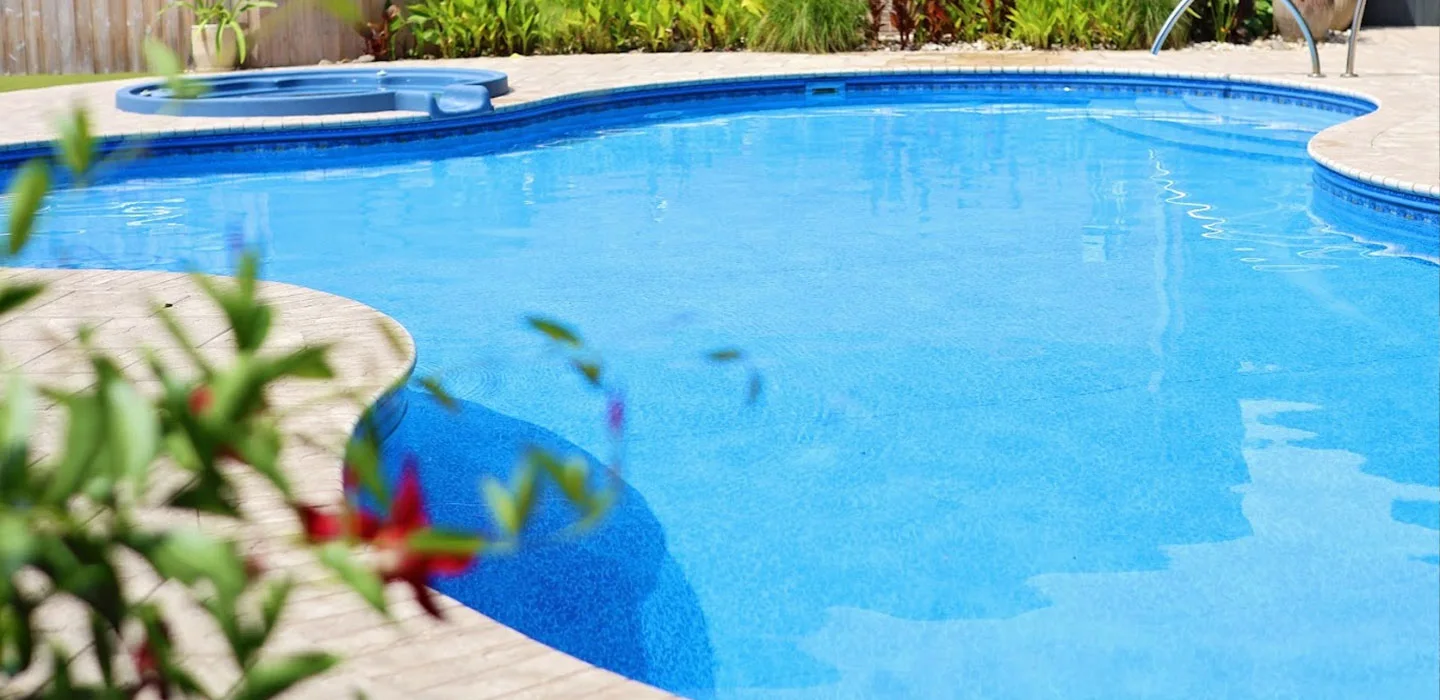
Photography and structure that carry the scale of the build, so a six-figure project does not read like a gallery entry.
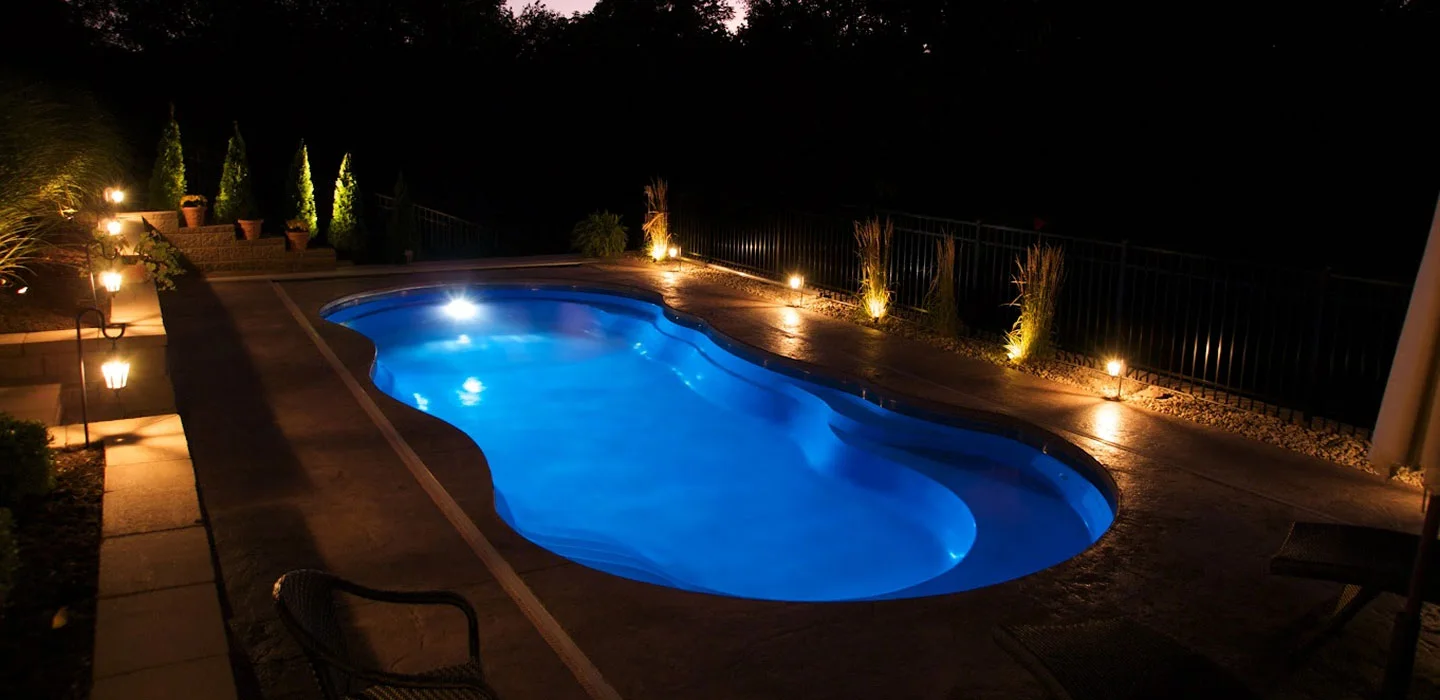
What happens in the hours after an enquiry arrives, which decides more deals than any headline on the homepage.
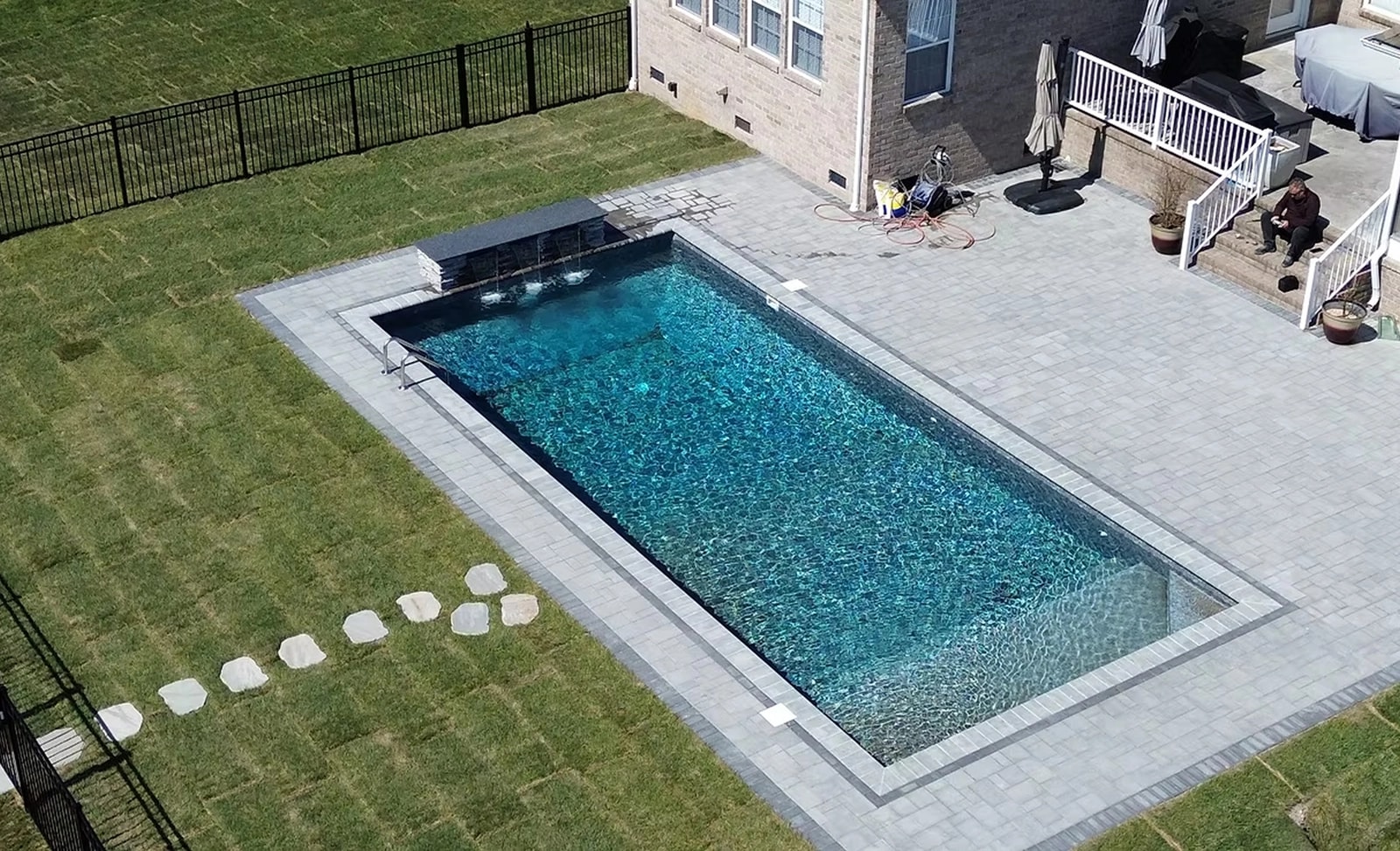
What a pool builder gets here that a general SEO agency will not give them.
Local search is zero sum: two builders in the same area cannot both hold the same rankings. We take one pool builder per market, so we are never competing against our own work.
We optimise for the searches that precede a six-figure build, not the ones with the biggest volume. A quieter keyword that brings three serious enquiries beats a popular one that brings thirty tyre-kickers.
A pool is researched for months and decided in weeks. The content is mapped to that timeline, so you are present early enough to be considered and specific enough to be chosen.
Technical fixes can move things within weeks. Content and authority take months, and anyone promising faster is selling you something else. We tell you which of the two your situation needs first.
It is a good start and usually the most valuable ranking you have. The question is whether you rank for the searches that happen when someone is comparing builders for a large project, which is a different set of terms.
We write it, and we come to you for the parts only a builder knows: how you actually price, what goes wrong on site, what buyers get wrong. Content without that reads like every other agency's.
No. Local SEO is zero sum: two builders in the same market cannot both hold the same rankings. We work with one pool builder per market area, because otherwise we would be competing against our own work.
Intent. Someone searching pool ideas is browsing, and that traffic looks great in a report. Someone searching for a builder in their town with a pool type attached is shortlisting. The second group is a fraction of the volume and almost all of the revenue, so that is what we chase.
It matters more. A referred homeowner searches your name before they call, then searches two competitors before they sign. If your site is thin and your reviews are stale, referral work leaks at exactly that point. SEO protects the pipeline you already have before it grows a new one.
For local searches with buying intent, it often decides the shortlist before anyone reaches a website. Profile completeness, categories, photos of real projects and a steady flow of recent reviews are what separate the three firms in the map pack from the ones below it.
Up to a point, and honestly. Ranking outside your physical location is harder and slower, and no agency can promise a map pack position in a town you have no presence in. What works is service-area pages backed by real projects there, which means the SEO follows the jobs rather than inventing them.
A live dashboard, not a monthly PDF of rankings. It runs through to enquiries and which ones turned into contracts, because a keyword moving from position eight to four is only interesting if the phone rang.
The technical work, the content and the links stay yours and keep working; rankings decay slowly rather than switching off. That is the honest difference between SEO and ads, and it is also why the first months are the expensive ones.
Also part of the system
A strategy call looks at what you have now and tells you what to fix first, in what order.