One place for every enquiry
Forms, calls and messages in a single pipeline instead of three inboxes and a notepad.
We implement a CRM sales process around the way your pool building team works: lead capture, qualification, consultation, proposals, follow-up and won-project reporting.

A better follow-up process starts with a clear next step.
A timely, useful response helps a homeowner take the next step. Clear ownership, reminders and follow-up make that response part of the process, even when your team is on site.
Every enquiry captured, answered and accounted for.
Forms, calls and messages in a single pipeline instead of three inboxes and a notepad.
Automatic first contact so nobody waits for someone to get back off site.
Helpful sequences that continue past the first attempt, with appropriate permission, clear next steps and a handoff to your team.
Stages, lead routing and automations built around how you actually sell, so using the system is easier than avoiding it.
Existing contacts and old enquiries migrated, deduplicated and mapped, not abandoned in the old spreadsheet.
Ad platforms and website wired into the CRM, so you see which source produced the signed work, not just the click.
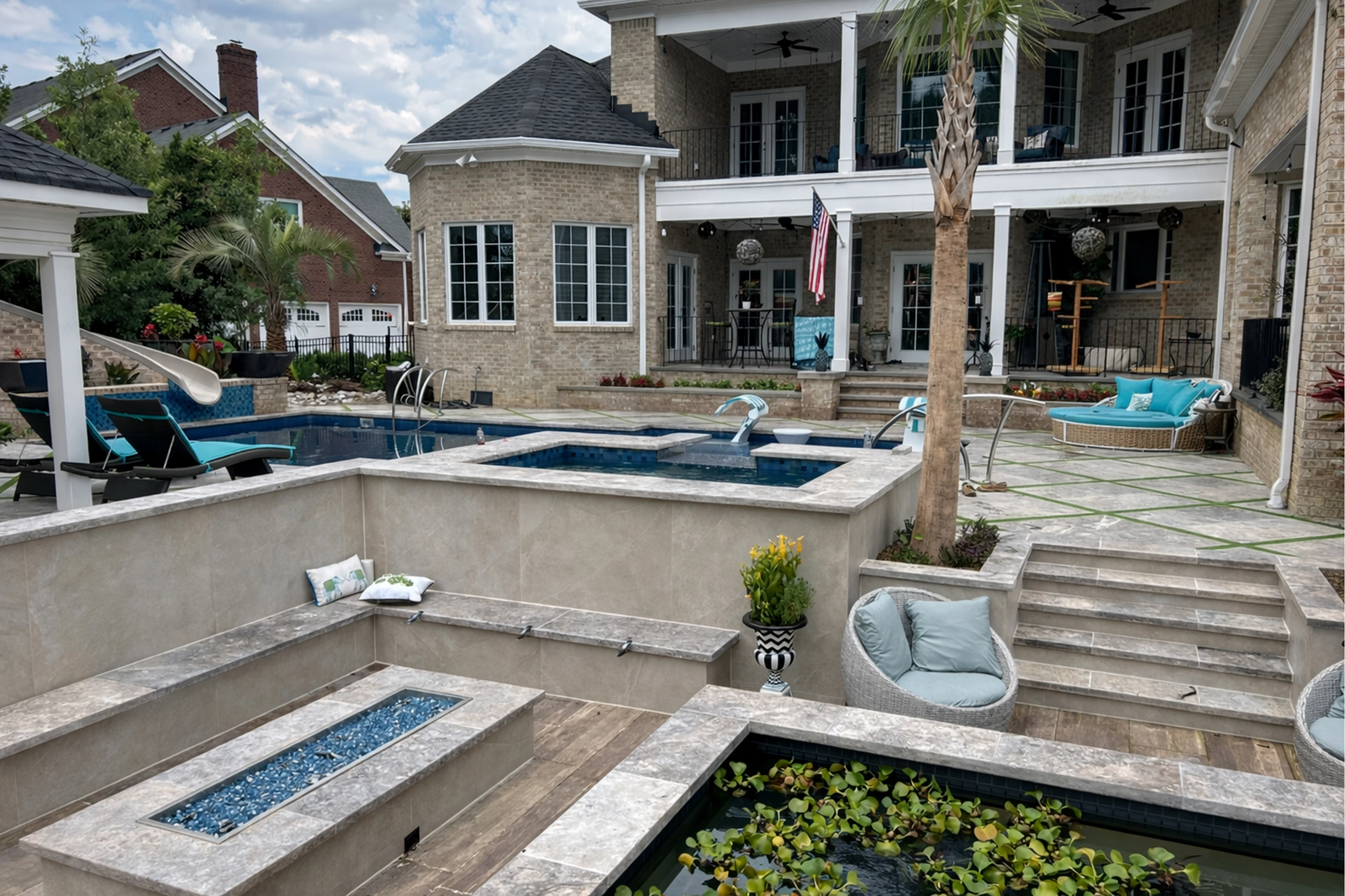
A homeowner who enquires on a Saturday has usually contacted two other builders by Monday. The firm that replies first often gets the site visit, regardless of who is better. Most of the gap between builders here is minutes, not marketing.
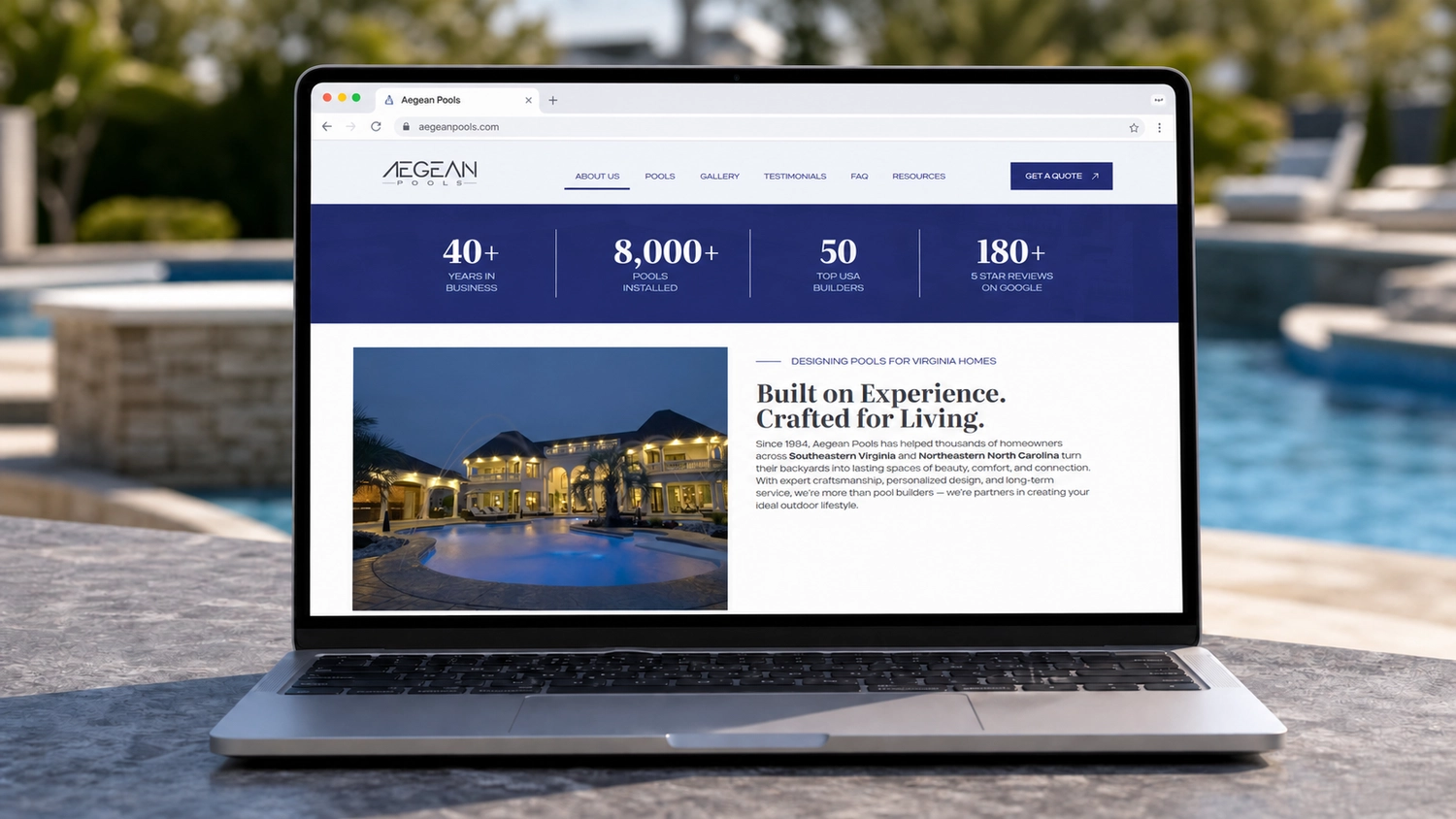
Enquiries arriving into one inbox is the most common failure we find. One holiday, one busy week, and the best lead of the season is buried. Everything lands in a system the whole team can see, with an owner and a next action.

Most builders follow up twice and stop. The decision takes months, so the sequence has to keep contact alive without nagging: useful, spaced, and paused the moment someone replies.

Stages that match how a pool actually sells, from enquiry through site visit, design and contract, so you can see where deals stall instead of guessing. That is also what finally makes the marketing measurable.
Find the leaks first, then close them.
We follow a real one through your current process and show you where it stalls.
Stages that match how you actually sell, not a template.
Contacts and history migrated and deduplicated, so day one starts with everything in one place.
First contact in minutes, then email and text sequences that carry on until a person should take over.
Source through to signed, so marketing decisions stop being guesses.
The work
Scope, materials and the decisions behind them. Buyers comparing three builders are looking for evidence of judgement, not a slideshow.
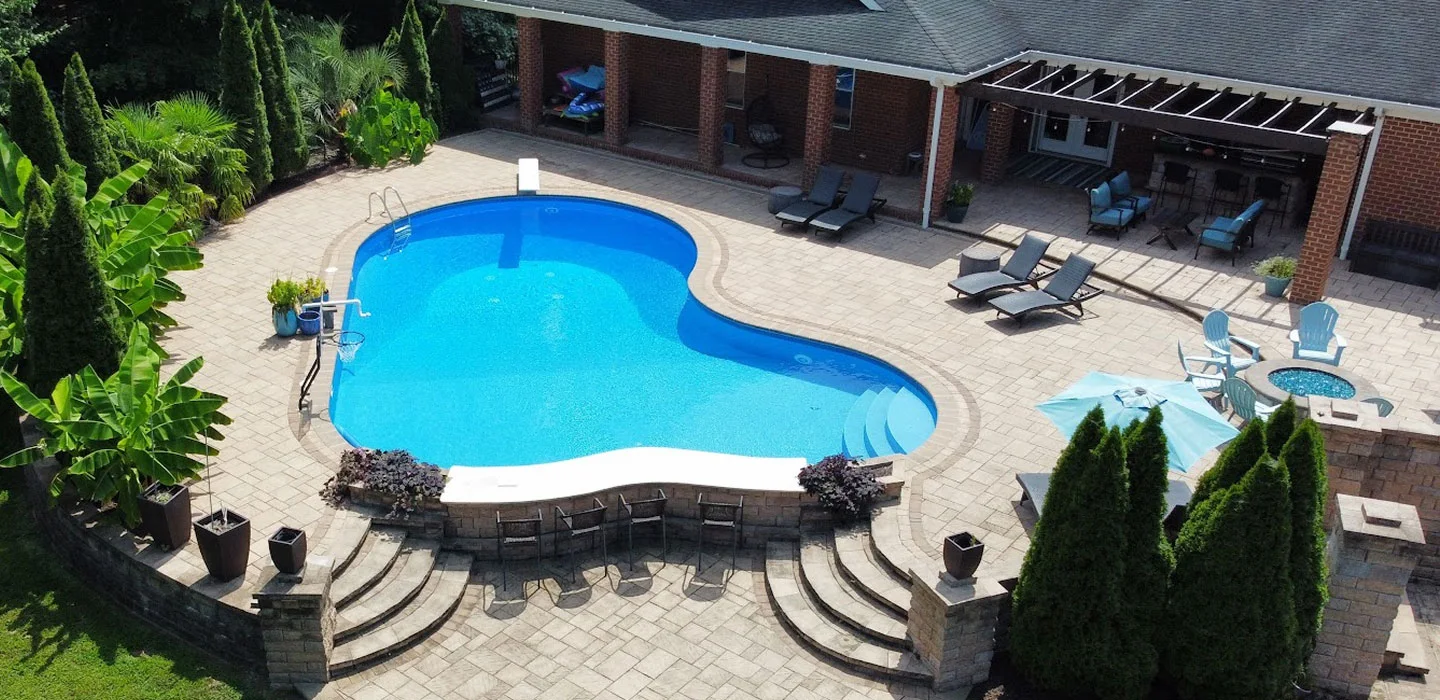
Photography and structure that carry the scale of the build, so a six-figure project does not read like a gallery entry.

What happens in the hours after an enquiry arrives, which decides more deals than any headline on the homepage.
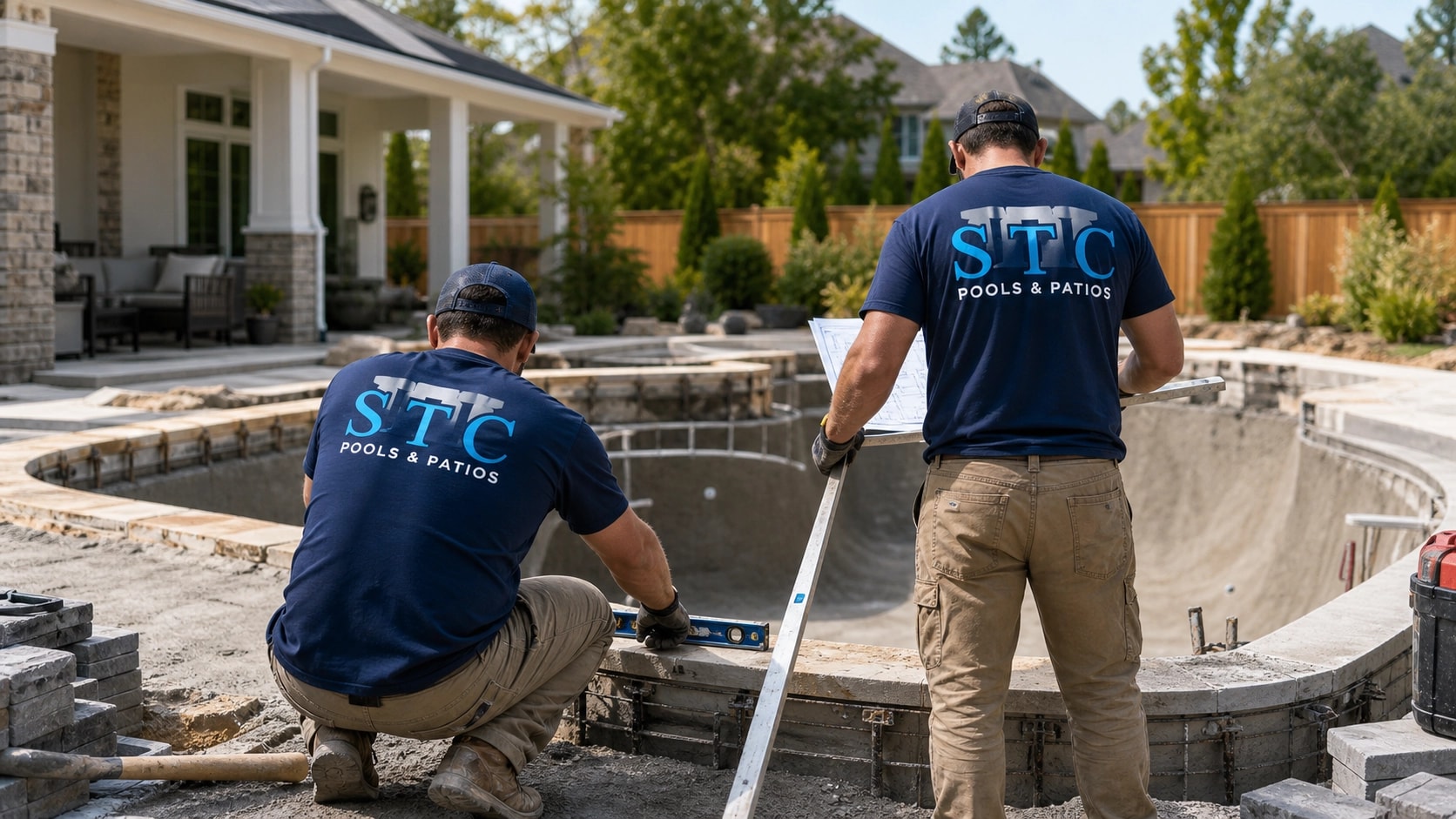
The least glamorous part of the system, and usually the highest return.
Recovering the enquiries you already get costs a fraction of buying new ones. This is the first place we look, and often the reason we tell a builder to hold off on ad spend.
A system nobody uses is worse than none. We fit it to how your office already runs, rather than asking a small team to reorganise around software.
Once enquiries are tracked through to contracts, every other channel can be judged on revenue instead of form fills. The CRM is what makes the rest of the reporting honest.
The right CRM fits your sales stages, lead sources, team habits and reporting needs. We assess your existing tools before recommending a platform. Bryant Digital provides implementation and process support, rather than claiming one software product is best for every builder.
We review its forms, pipeline, integrations, automations and reporting first. If it can support the agreed process, improving it may be the best next step. Any migration is scoped around data quality and the team’s needs.
A starting model is new enquiry, qualified opportunity, consultation, proposal and won or lost project. We adapt those stages to your actual process, assign ownership and make the next action visible.
Acknowledgements, reminders, task creation and permission-based email or text follow-up can support the process. Automation should be clearly identified where appropriate and hand off to your team for project-specific conversations.
It can support those reports when lead sources, stage changes, project values, closed outcomes and relevant costs are recorded accurately. We distinguish pipeline from revenue and identify gaps in attribution rather than presenting estimates as proven returns.
This service focuses on the marketing and sales process, from first enquiry to won project. Construction scheduling, job costing and field operations may require a separate system or an agreed integration.
Explore our pool builder marketing approach and client case studies. See how strategy, implementation and demand connect in the Market Leader System.
A strategy call looks at what you have now and tells you what to fix first, in what order.