The buyer you actually want
Which projects are worth having, and what those buyers care about, which is rarely what the brochure leads with.
If the market cannot tell the difference between you and a cheaper firm, price becomes the only argument left. Positioning is how that comparison stops happening.
When everything looks the same, the buyer picks the cheapest.
Not because they want the cheapest, but because nothing else in front of them justified paying more. Positioning gives them that reason before they ask the price.
Making the difference between you and the next quote legible, in the words and in how everything looks.
Which projects are worth having, and what those buyers care about, which is rarely what the brochure leads with.
Said in terms a homeowner understands, not in industry language that sounds like everyone else.
The right project in front of the right buyer, rather than a gallery in date order.
Logo, colour, type and the rules for using them, so the brand looks deliberate everywhere it appears.
Proposals, site signage, vehicle wraps and the documents a homeowner is actually holding while deciding.
Sales, site and marketing telling the same story, which is where most positioning quietly falls apart.
Where you sit against the other builders a homeowner is considering, stated plainly enough that it survives being repeated by someone else. Most builders describe themselves in words every competitor could also use, which leaves price as the only visible difference.
A family adding a pool to a house they intend to keep for twenty years buys differently from someone improving a property to sell. We map who you are actually for, what they are afraid of, and what makes them choose one builder over another.
How you sound in a proposal, on a site visit and on the website, consistently. The aim is not a tagline. It is that a homeowner can explain to their partner why you are the right firm, using your words.
Projects, reviews and credentials arranged as an argument rather than a scrapbook. Positioning that is not backed by visible evidence reads as a claim, and buyers at this price point discount claims.
Positioning is a decision, not a workshop deliverable.
To your sales calls and your lost quotes, which is where positioning problems show up first.
Who you are for, who you are not for, and what you want to be known for. The second one matters most.
Only where the current look undercuts the position. Plenty of builders need sharper language more than new artwork.
In the website, the proposals and the way the team talks about the work.
A style guide and templates, so consistency does not depend on the one person who cares about it.
Positioning fails by drift. We check it against what is actually being sold.
The work
Scope, materials and the decisions behind them. Buyers comparing three builders are looking for evidence of judgement, not a slideshow.
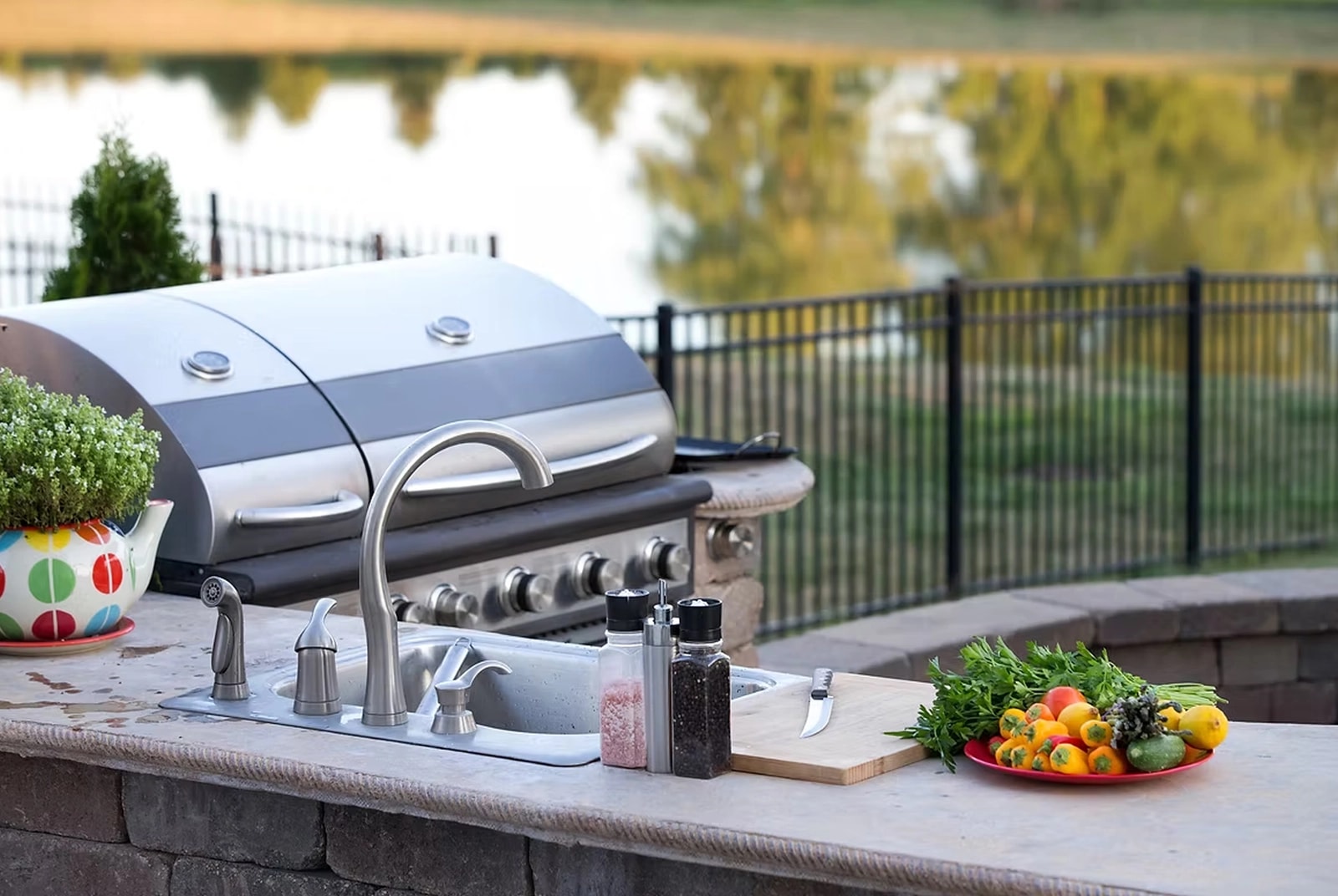
Photography and structure that carry the scale of the build, so a six-figure project does not read like a gallery entry.
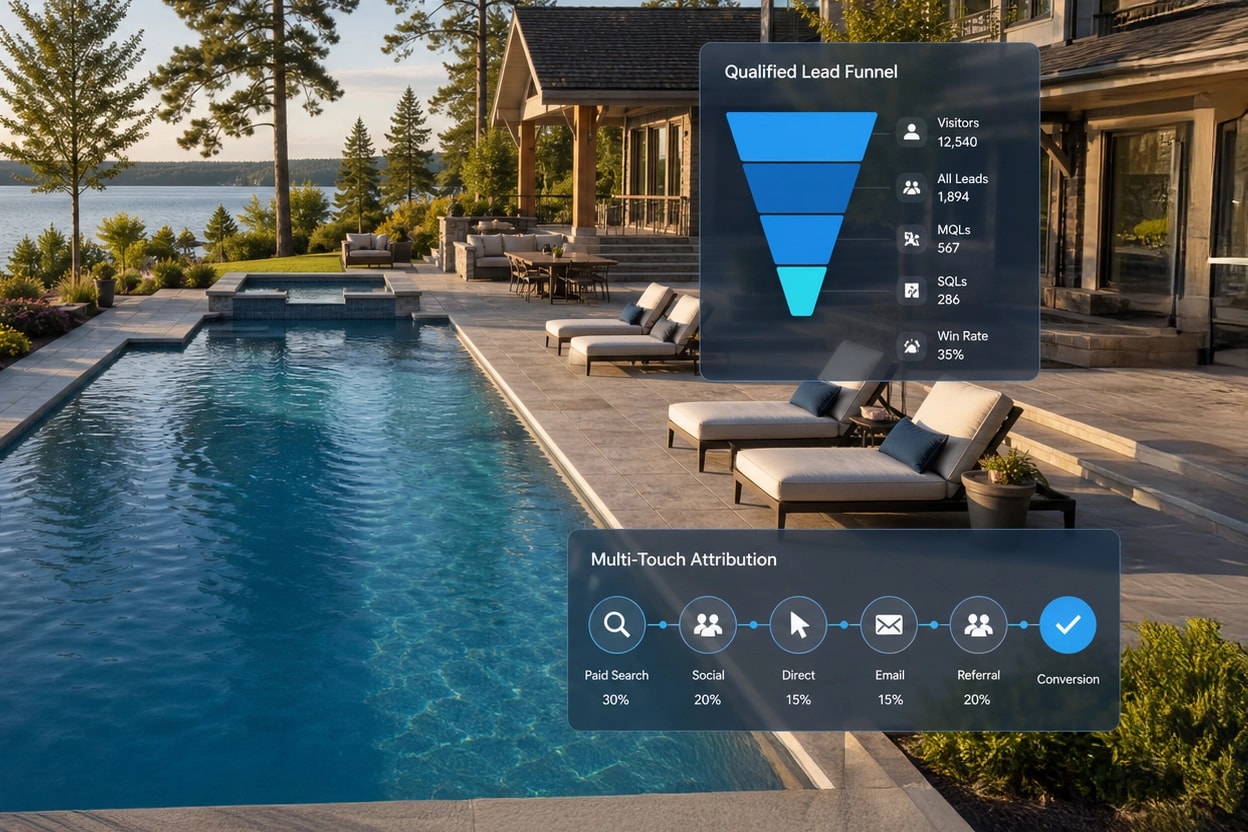
What happens in the hours after an enquiry arrives, which decides more deals than any headline on the homepage.
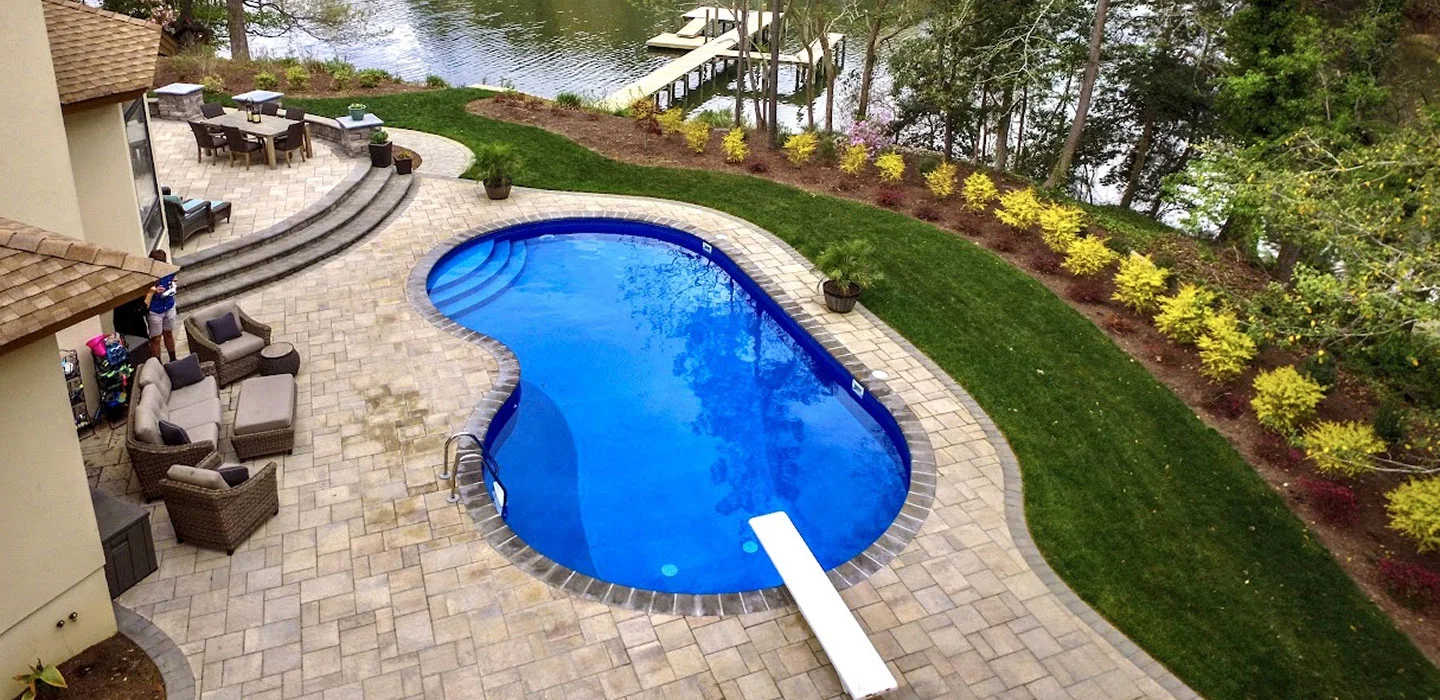
Positioning that changes what you can charge, not just how you look.
Positioning invented in a workshop falls apart on the first site visit. We start from the projects you have already delivered and the reasons clients chose you, then sharpen that rather than replacing it.
The goal is not a nicer description of the business you have. It is being the obvious choice for the work you want more of, which usually means deliberately being wrong for some of what you get today.
Positioning that only lives on the homepage does nothing. It shows up in the ads, the project pages, the proposal and the follow-up, which is the only way a buyer encounters it often enough to believe it.
Usually not. A rebrand changes how you look. Positioning changes who you are competing against, which is the more expensive problem and often needs no new logo at all.
Most builders do know. The gap is between what you know and what a homeowner can tell from the outside in ninety seconds. That gap is the work.
Only if the current one argues against the position. If it does, we design the identity properly: logo, palette, typography and a guide for using them. If it does not, we say so and spend the budget where it moves enquiries.
By which enquiries arrive and which conversations you stop having. Fewer price-shoppers and more people who already accept your range is the result to look for.
Also part of the system
A strategy call looks at what you have now and tells you what to fix first, in what order.