Data Meets Aesthetics
We merge aesthetics with data and psychology; every visual, color choice, and headline is thought to guide the user toward a specific action.

We can bring your projects to life with immersive visuals that look and feel real.

We can create photorealistic 3D product renderings that highlight your unique features from every angle.
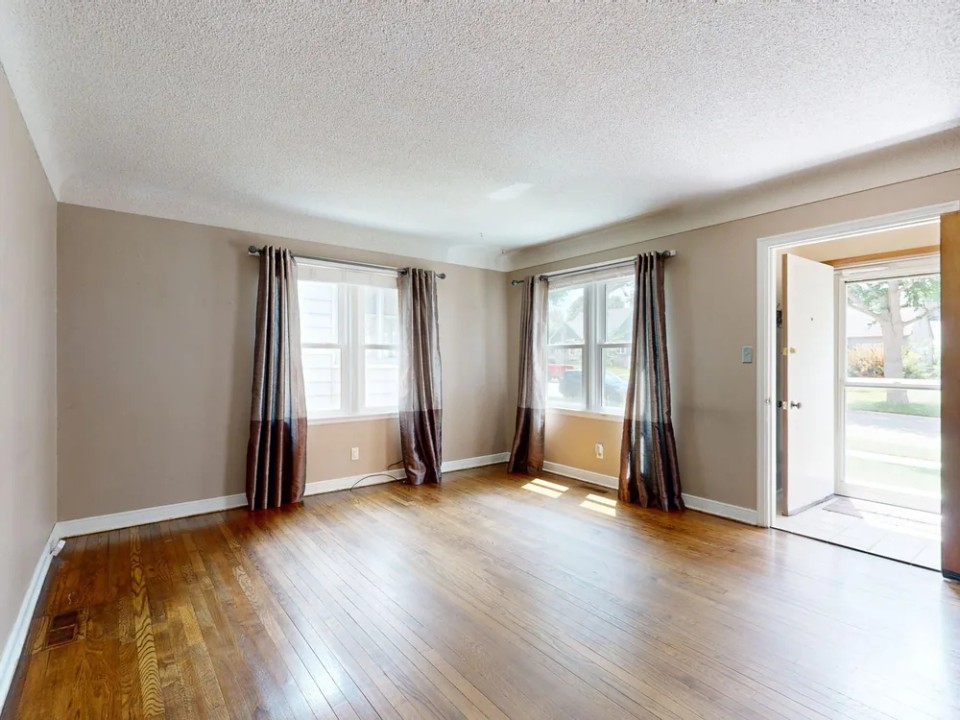
Allow investors and clients to walk through properties, experience the space, and make confident purchasing decisions before construction even begins.
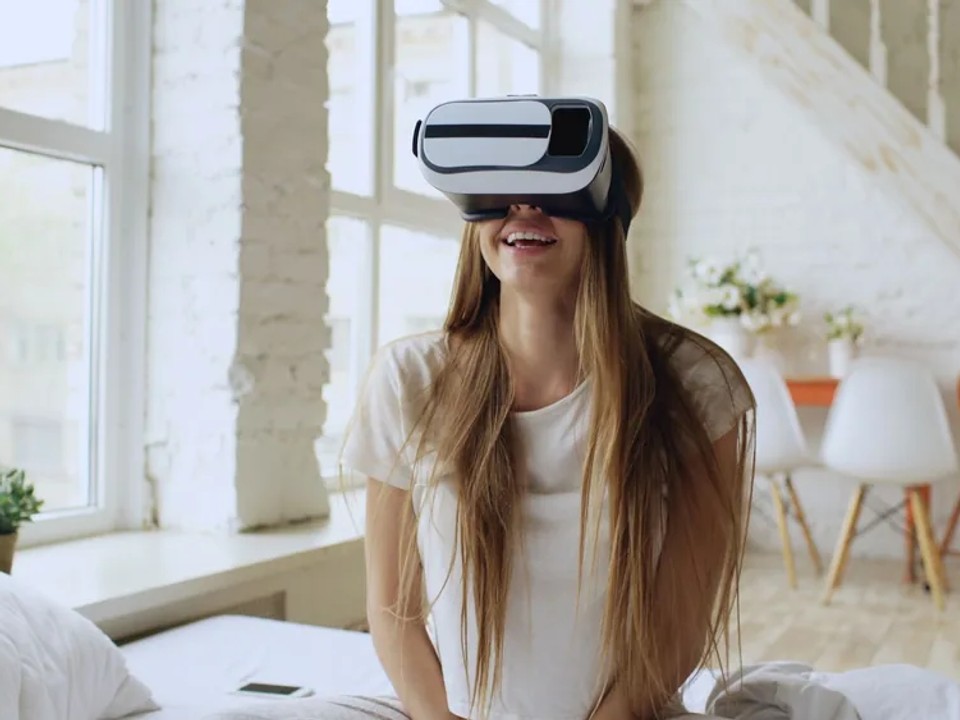
From virtual showrooms to brand activations, we design and develop immersive VR experiences that build emotional connections, and separate your brand from the competition.
Why Brands Choose Our Creative Team
We merge aesthetics with data and psychology; every visual, color choice, and headline is thought to guide the user toward a specific action.
We keep your brand visually consistent without feeling outdated. Whether a lead sees a social video or a targeted ad, your content reinforces your values.
Content isn't just meant to look pretty; it's built to work. We design assets for the platforms they live on, ensuring maximum engagement and higher ROI.
3D rendering is the process of creating a realistic or conceptual image of a space, product, building, or other object using 3D software. It can show what something looks like before it is built, remodeled, or produced. Businesses can use these images for presentations, marketing, planning, sales materials, and other purposes.
Virtual reality creates an interactive digital environment that a person can explore. Instead of viewing a single rendered image, the user can move through a virtual space and experience it from different perspectives. This can be useful for showing properties, developments, designs, and other environments before they exist in their final form.
A 3D rendering is usually a still image that shows what a space, product, or design could look like. VR creates an interactive experience that allows someone to explore the digital environment. A rendering can help someone see a finished concept, while VR can give them a better sense of what it would be like to move through it.
A 3D artist starts with information about the object, space, or project being visualized and builds a digital model. The model is then given materials, textures, lighting, cameras, and other details before the final image is rendered. The level of detail and realism depends on the requirements of the project.
3D rendering can help a business show customers something that does not exist yet or would be difficult to photograph. For example, a developer can show a proposed building, a contractor can visualize a renovation, or a designer can present a finished space before construction begins. It gives customers and other stakeholders something concrete to look at when evaluating a concept.
3D rendering and VR are used across industries where visualizing a space, product, or concept can help with planning, communication, or sales. Common examples include construction, architecture, real estate, interior design, development, manufacturing, retail, and marketing. The specific application depends on what the business needs to show.
3D rendering can support projects across Virginia Beach where businesses need to visualize a proposed space, property, renovation, or development. It can be used for architectural concepts, construction projects, real estate marketing, commercial developments, interior design, and presentations. The rendering can help people understand the project before the finished space is available to see.
Yes. A 3D model can represent a proposed building, addition, renovation, interior, or other construction project. The model can give contractors, property owners, developers, and customers a visual reference for the finished project. The level of detail should match what the project needs to communicate.
3D visualization can show buyers what a property, development, or proposed space could look like before construction is complete. For new construction or major renovations, this can give potential buyers a better understanding of the layout, finishes, scale, and overall design. It can also give sales and marketing teams visual assets to use before traditional photography is possible.
Yes. VR can give potential buyers or investors an interactive way to explore a property or proposed development. This can be particularly useful when the physical property is still being designed or built. Instead of relying only on floor plans or still images, viewers can experience the space from different viewpoints.
Pricing depends on the complexity and scope of the project. Factors can include the size and detail of the model, number of images or views, level of realism, materials and textures, lighting, animation or VR requirements, revisions, and the amount of information available to build the model. A simple product rendering will require a different level of work than a detailed architectural visualization.
Look for a company with experience creating the type of visualization your project requires. Review its portfolio, ask about its process, and make sure it can work with the information and files you have available. You should also discuss the intended use of the final visuals so the company can recommend the right level of detail and output.
Look for strong modeling, materials, lighting, composition, and attention to detail. You should also consider how well the company communicates, handles revisions, manages deadlines, and understands the purpose of the visualization. Technical ability matters, but the final work also needs to communicate the project clearly to the people who will see it.
Look for examples similar to your project rather than judging the portfolio only on its most impressive images. Pay attention to realism, modeling detail, textures, lighting, scale, camera angles, and consistency. If you need architectural or real estate visualization, look for work that shows the company's ability to represent spaces accurately and make them easy to understand.
A local company can be useful when the project involves a specific property, construction site, development, or local market. Working with a local team may make site visits and communication easier, especially when the project requires information that is easier to gather in person. However, the most important factor is whether the company has the experience and capabilities your project requires.
Ask about their experience with projects like yours, the information they need to get started, the expected timeline, revisions, deliverables, and pricing. You should also ask how they handle changes to the design, what level of detail they can provide, and whether they offer still renderings, animations, VR, or other formats. Make sure you understand exactly what you will receive at the end of the project and how you can use the finished visuals.
See what our users are truly accomplishing…
Bryant Digital and their entire team is one of the most creative and professional organizations we have ever worked with. They have helped us transform our online marketing approach and continue to be an asset to our company.

Dom Raso
Founder | Dynamis Alliance & EDC Coffee & Tea
More Ways We Drive Your Growth
Explore the full range of creative services built to move your business forward.
Let's build a smarter strategy, stronger digital presence, and marketing that drives real results for your business.


